Aialik Bay: Day 1 continued and day 2

Posted by

·

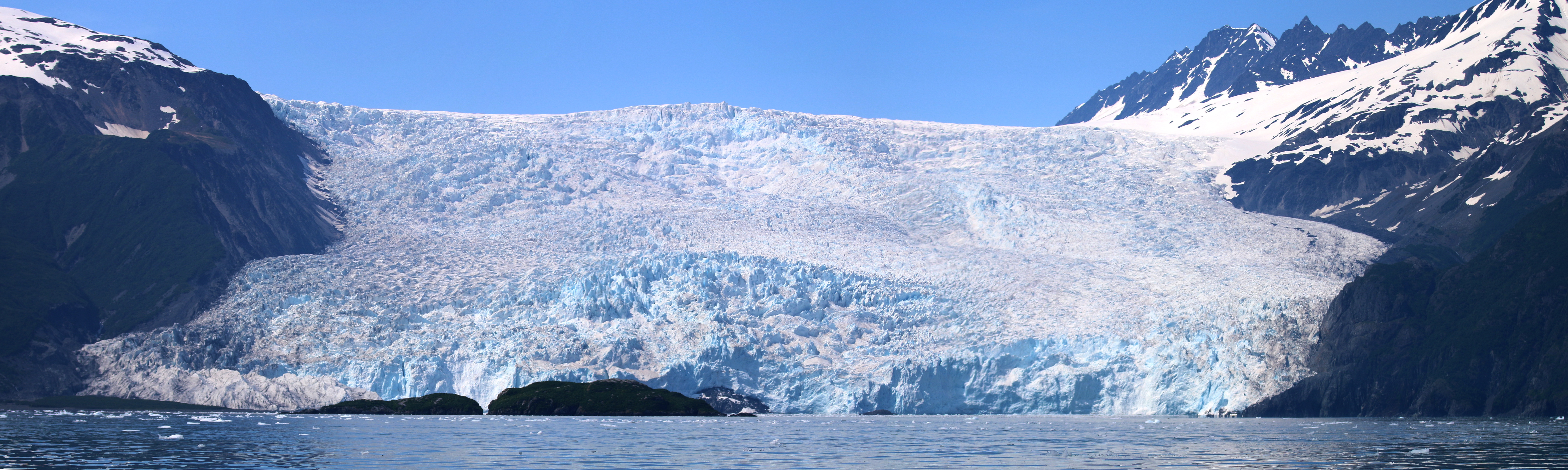
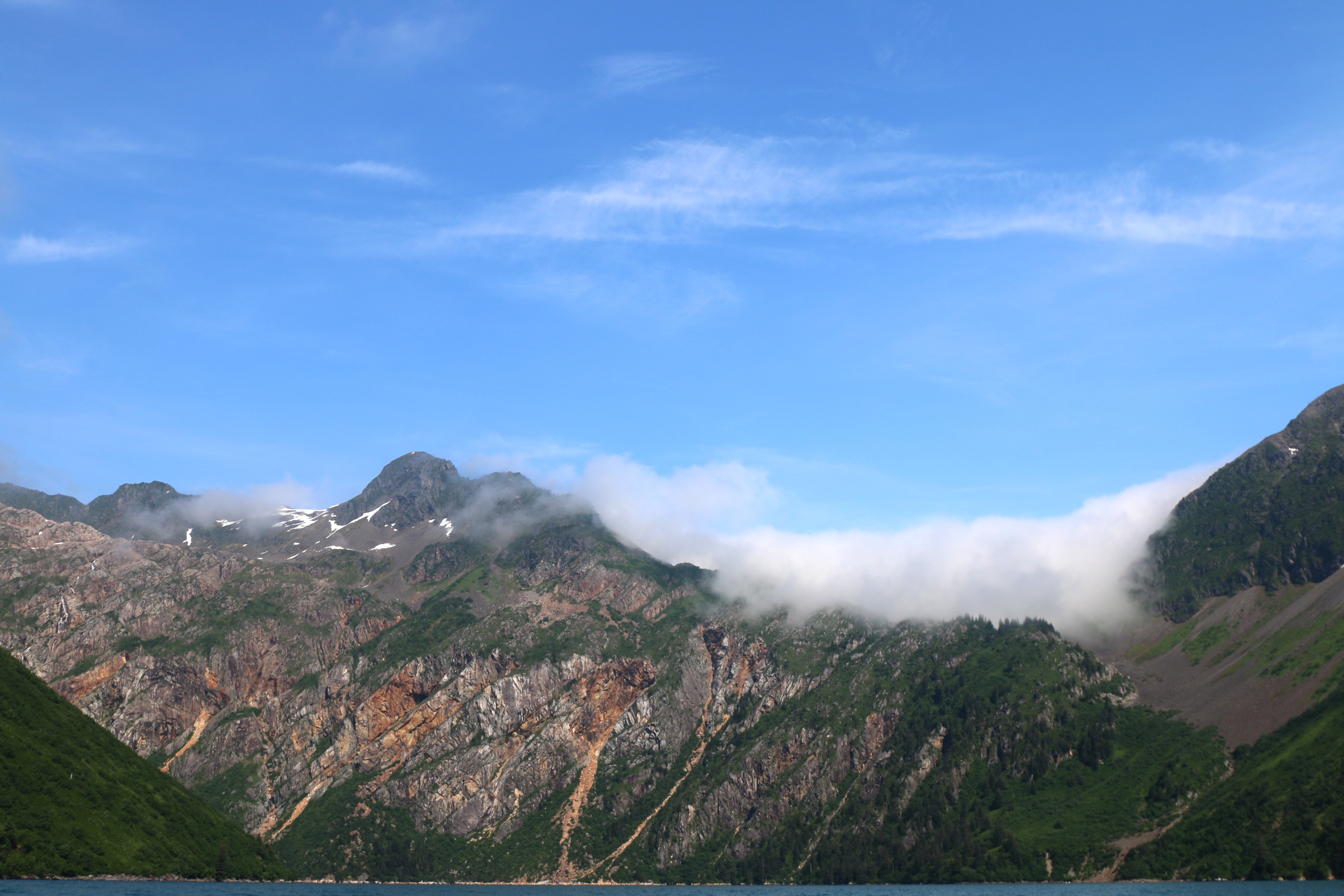
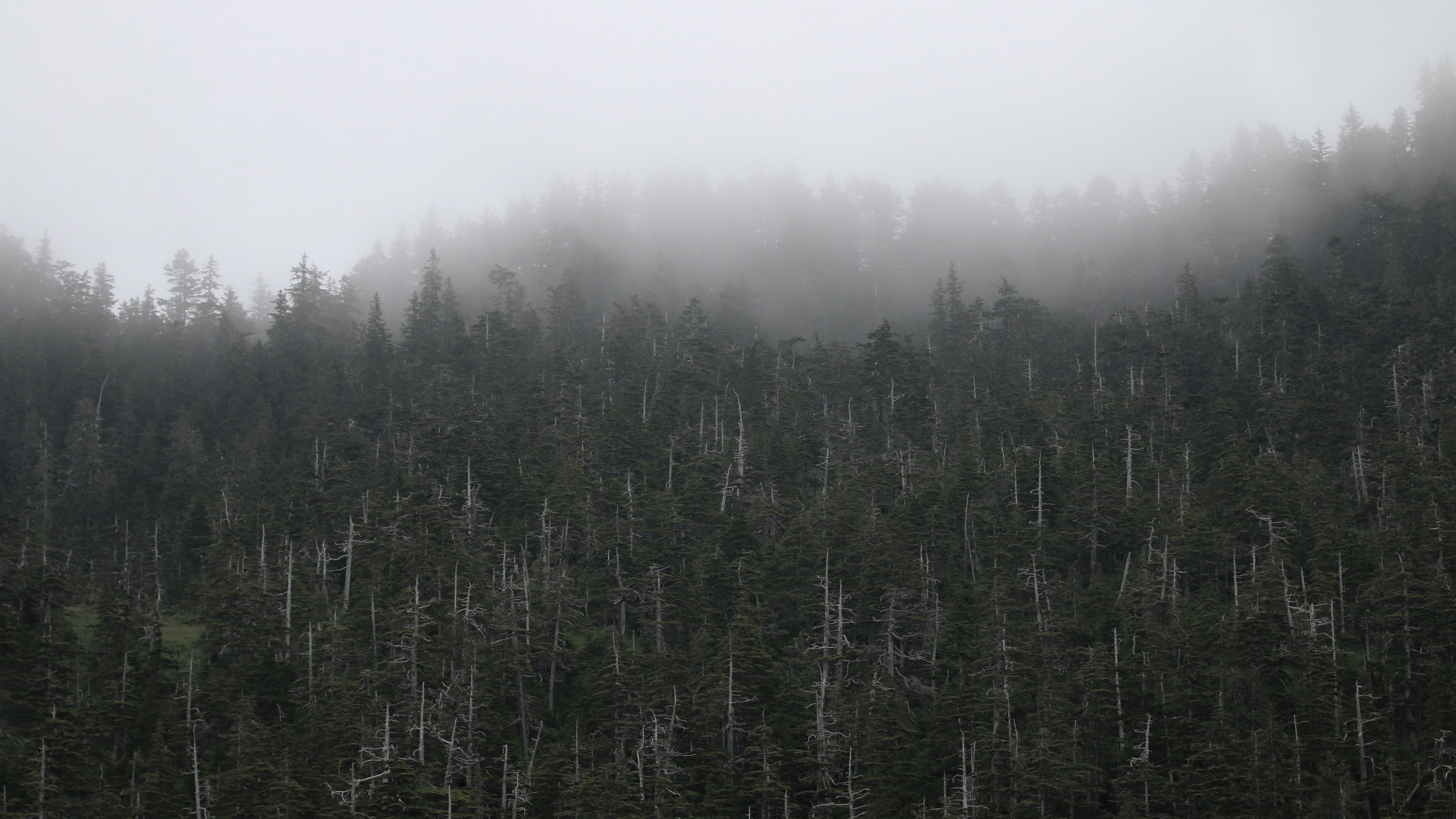
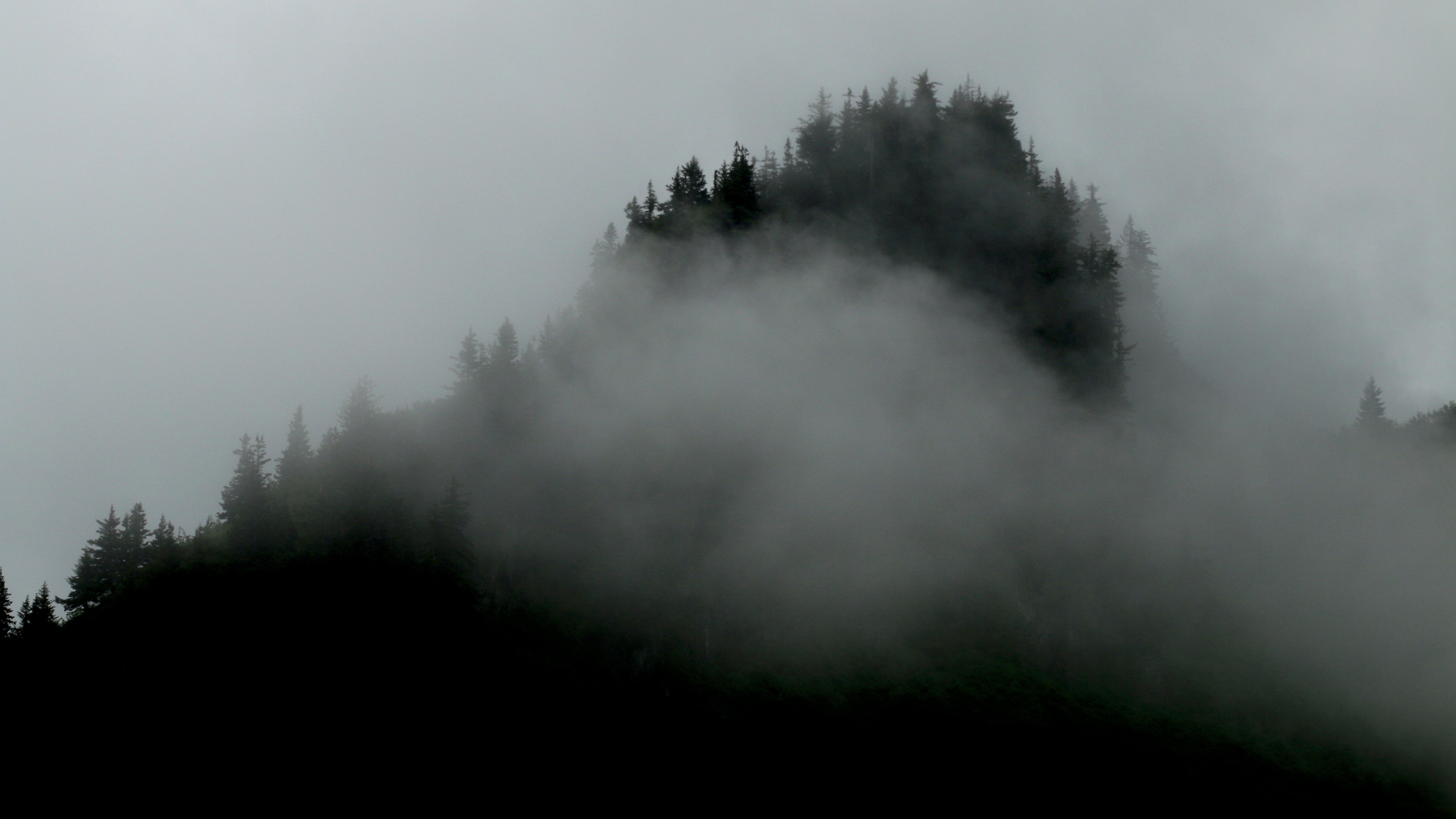
A slight bit of proof that this really is happening. Honestly It’s pretty cool to see a photo like this, because most of the time I’m debating of this is real or not. Thursday, we continued to travel to ABRS, and made some pit stops to Aialik Glacier, Coleman Bay, and many other places to take in the sights, sounds, and feelings. This was Erin and my first time out in the park like this, and let me tell you, seeing it this way will never be able to be topped. Just a little boat, that a glacier calving could tip right over if it wanted to. We were small enough to be a perturbance in the system. Harbor Seals and Sea Lions would frequently pop up behind, in front, beside to check us out. Just curious what this new thing was. As always, we were surrounded by stunning views. The fog rolled over the coves and bays that we explored, giving amazing scenes to take in. Here are just a few.
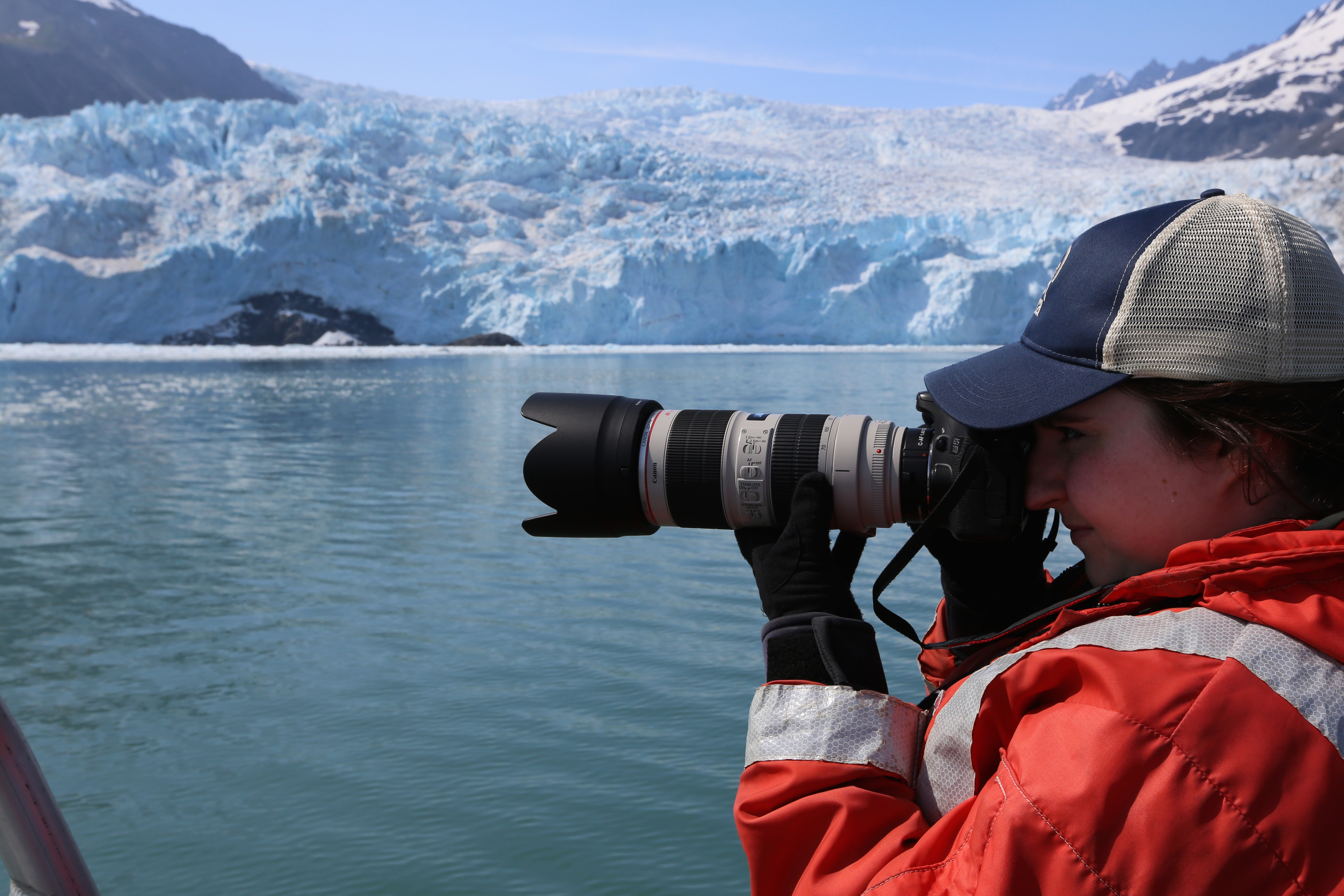
Watching Harbor Seals in front of Aialik Galcier on Saturday, June 20, 2015.  Photo I Jim Pfeiffenberger
Watching Harbor Seals in front of Aialik Galcier on Thursday June 18, 2015.
Photo I Jim Pfeiffenberger
Aialik Glacier on Saturday June 20, 2015.
Another stunning scene from Kenai Fjords National Park on Saturday, June 20, 2015.
Another stunning scene from Kenai Fjords National Park on Thursday, June 18, 2015.
Another stunning scene from Kenai Fjords National Park on Saturday, June 20, 2015.
Another stunning scene from Kenai Fjords National Park on Thursday, June 18, 2015.

AK_NearShore_edit_341

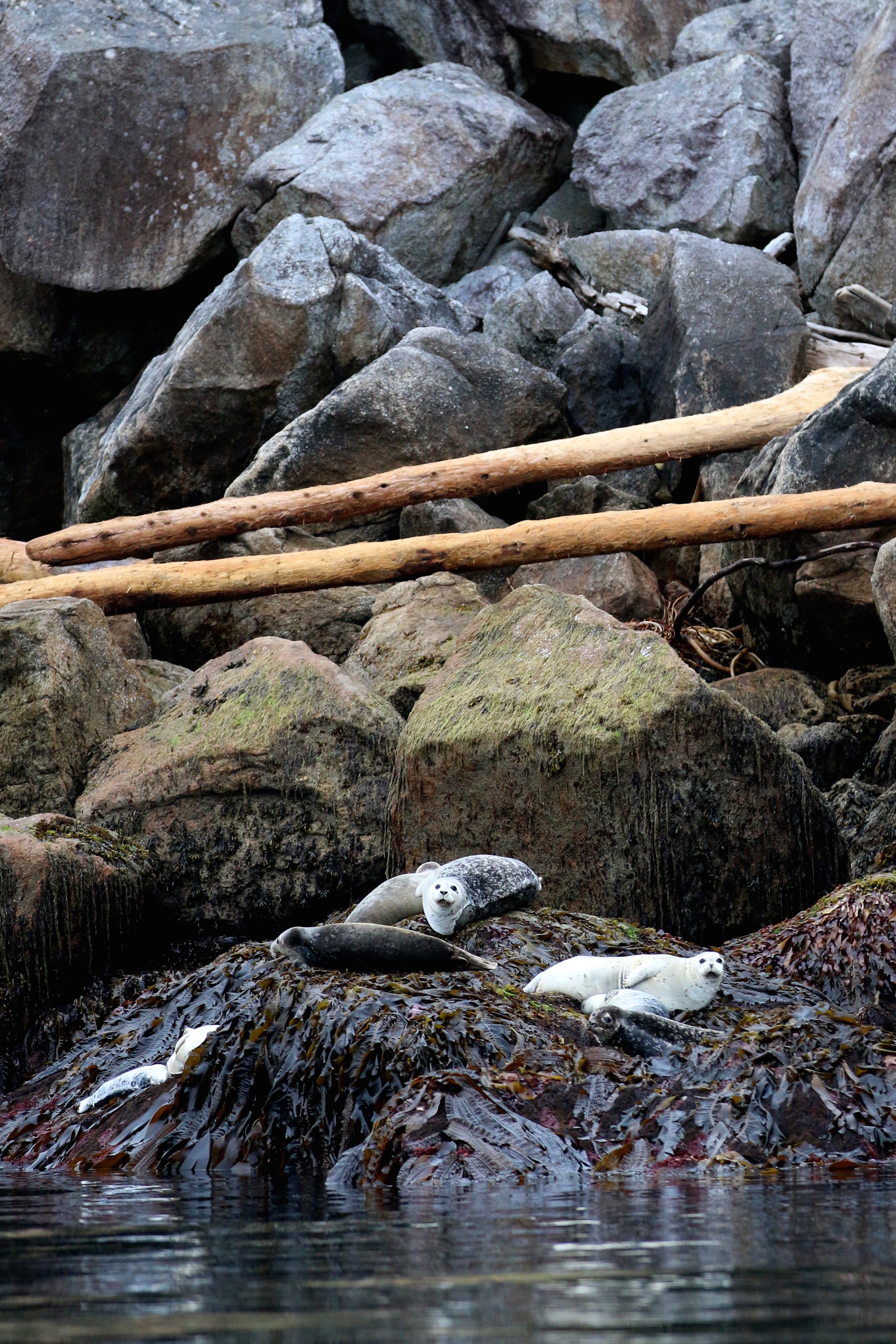
Harbor Seals (Phoca vitulina) in Kenai Fjords National Park on Saturday June 20, 2015. Young Harbor Seals, called pups, are born between May and July in Alaska.
Harbor Seals (Phoca vitulina) in Kenai Fjords National Park on Thursday, June 18, 2015. Young Harbor Seals, called pups, are born between May and July in Alaska.
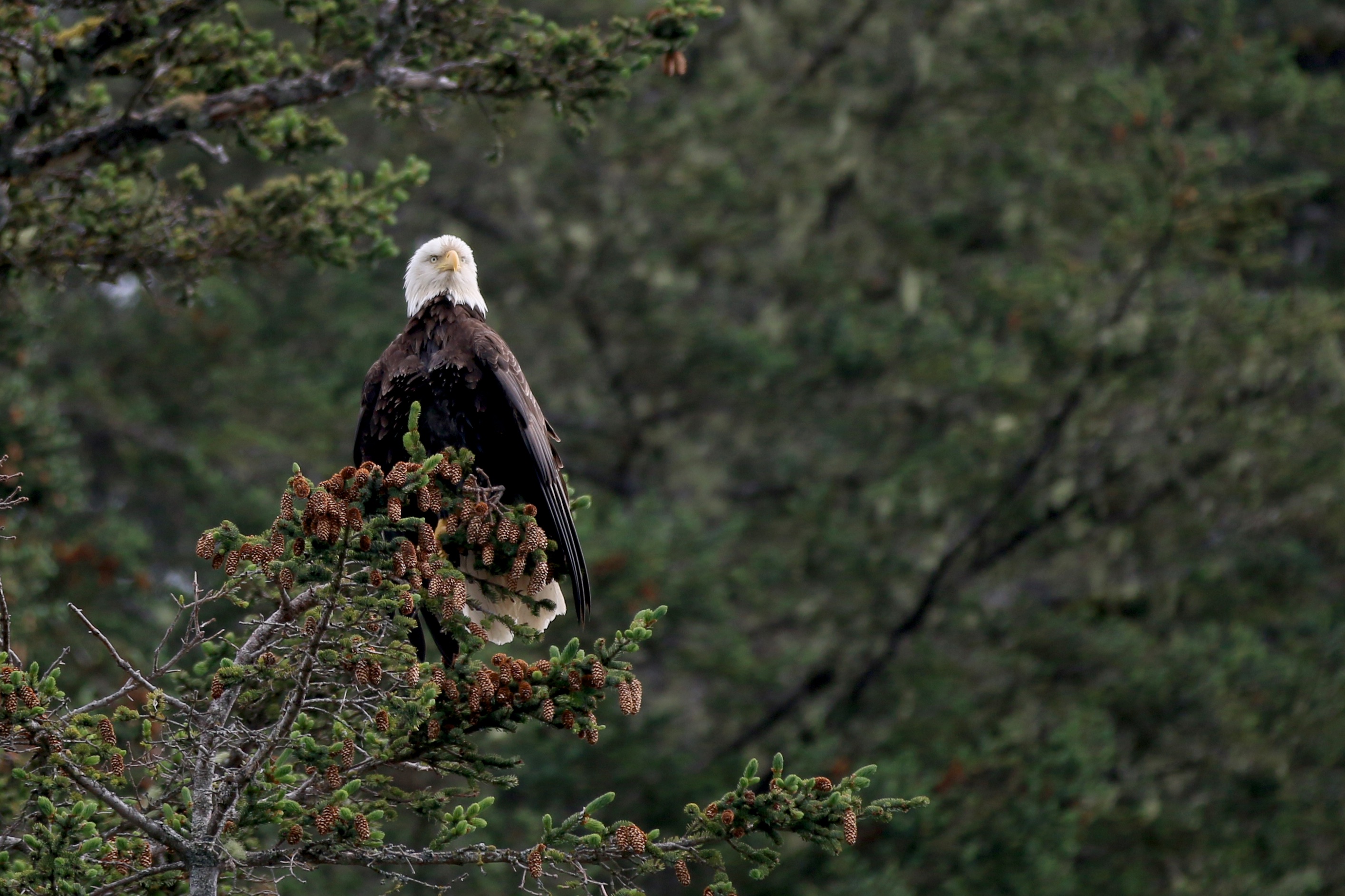
 A Bald Eagle sits in front of it's massive nest, hidden high in the trees of Kenai Fjords National Park on Saturday, June 20, 2015.
A Bald Eagle sits in front of it’s massive nest, hidden high in the trees of Kenai Fjords National Park on Thursday, June 18, 2015.

We pulled up to this small area, covered in rocks. Erin dropped Jim and I off with all our gear and we headed over to a rocky intertidal area. The footprints seemed oddly out of place here. The thought of the last time a human had stepped here crossed my mind. It very well could have been a few hours ago, or a few months ago. There was no way to tell really, because if there were signs they are washed away by the tide multiple times a day. This was the first time I had seen sea stars, which seems odd to say now. They’re teeming here, it seems.
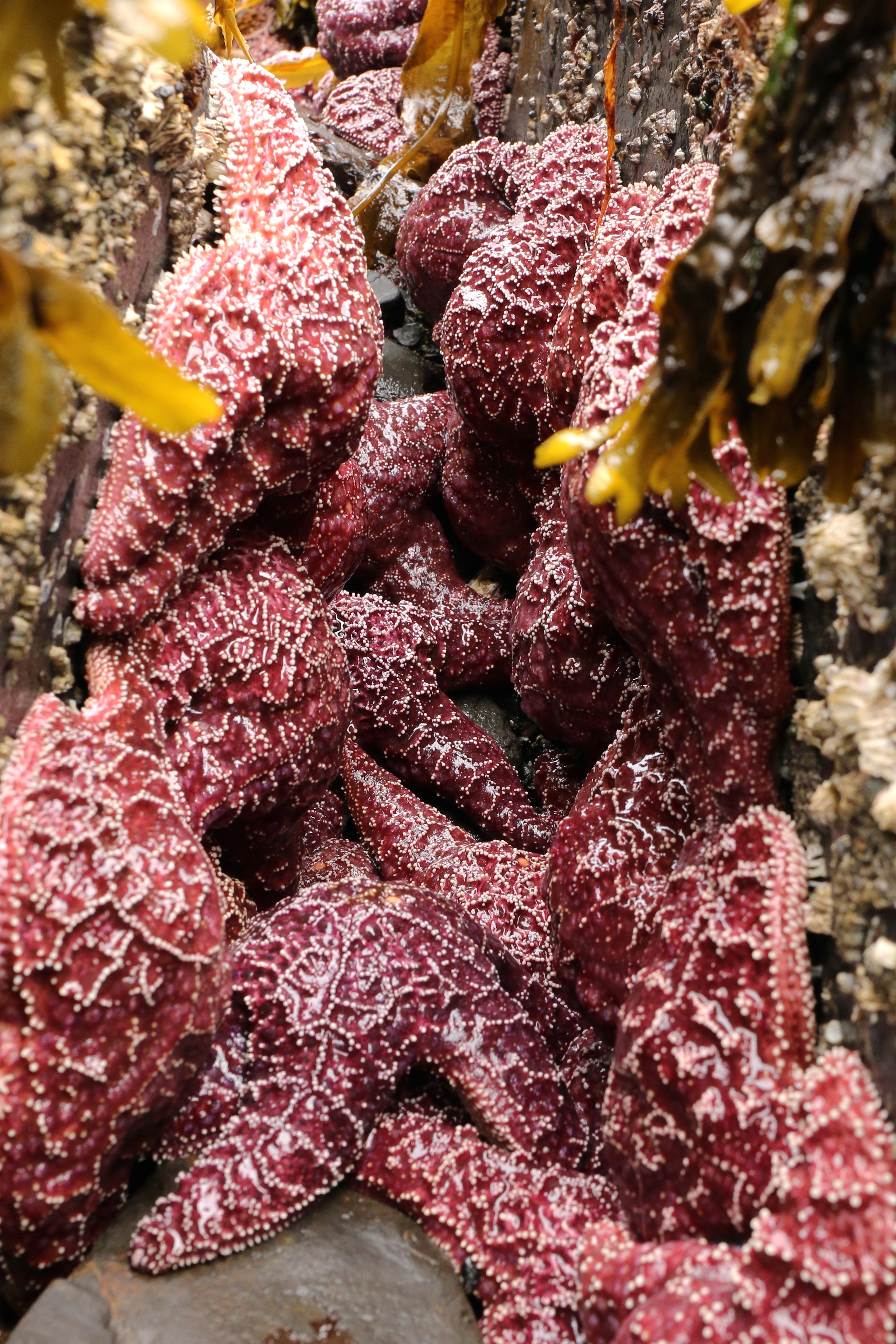
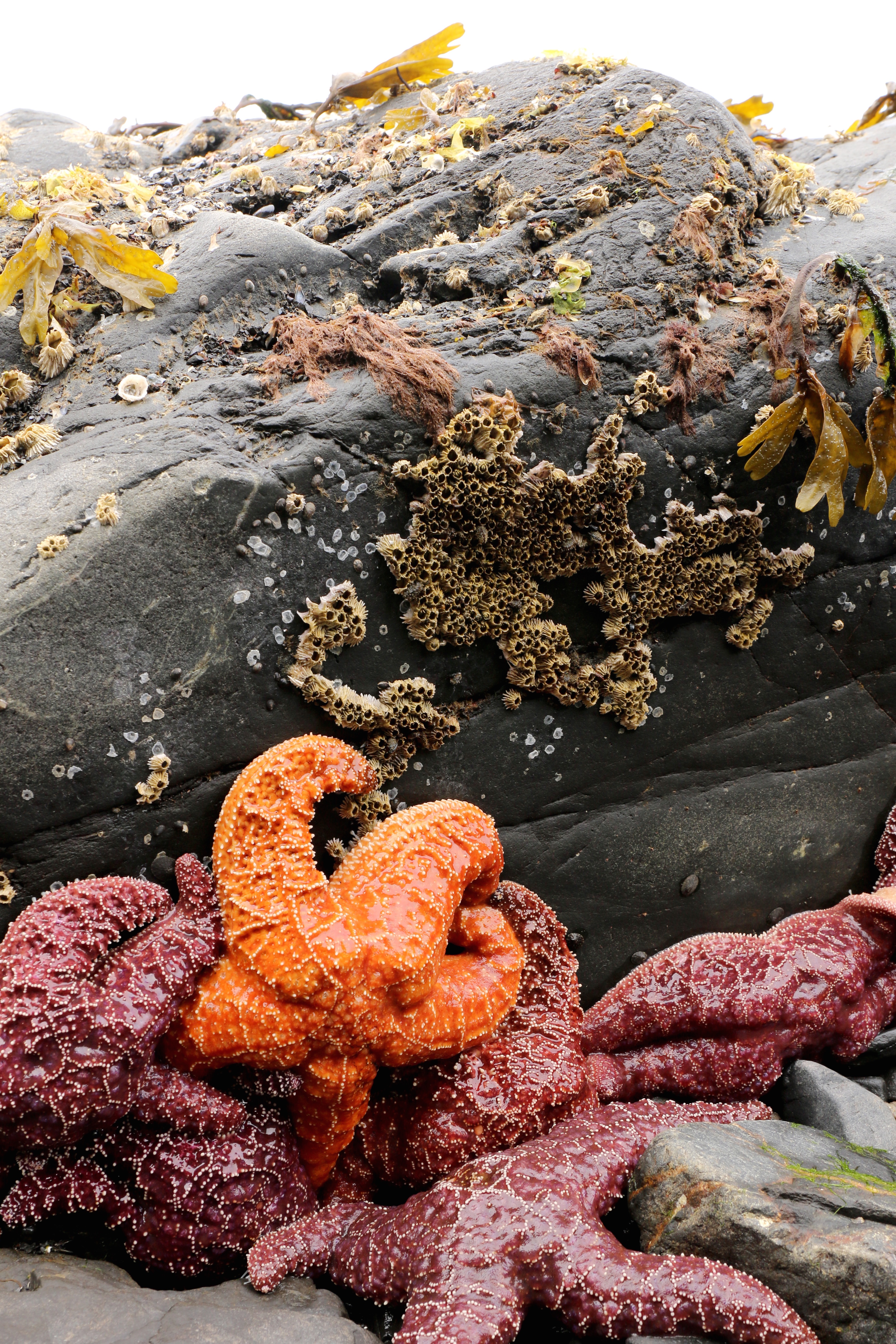
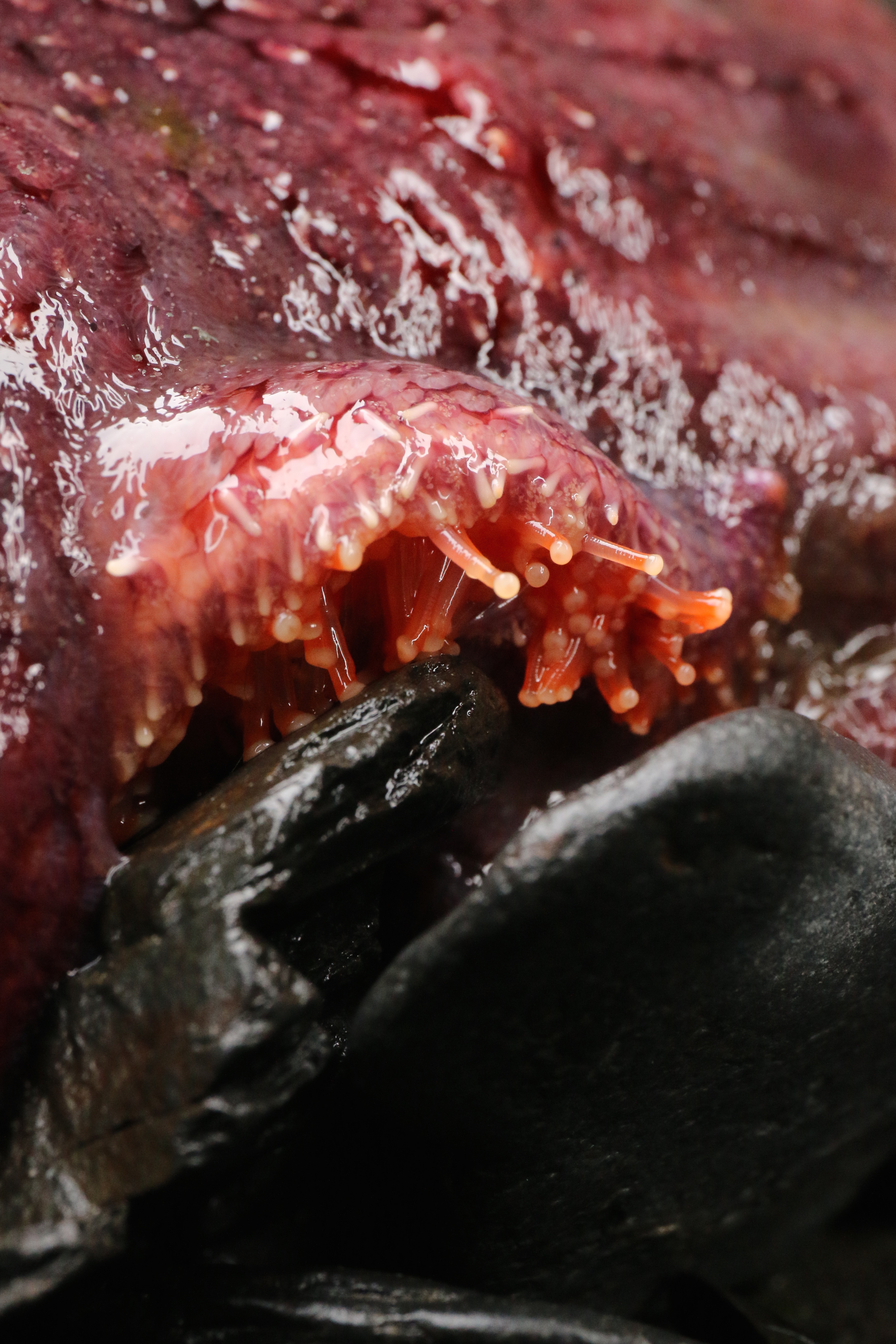
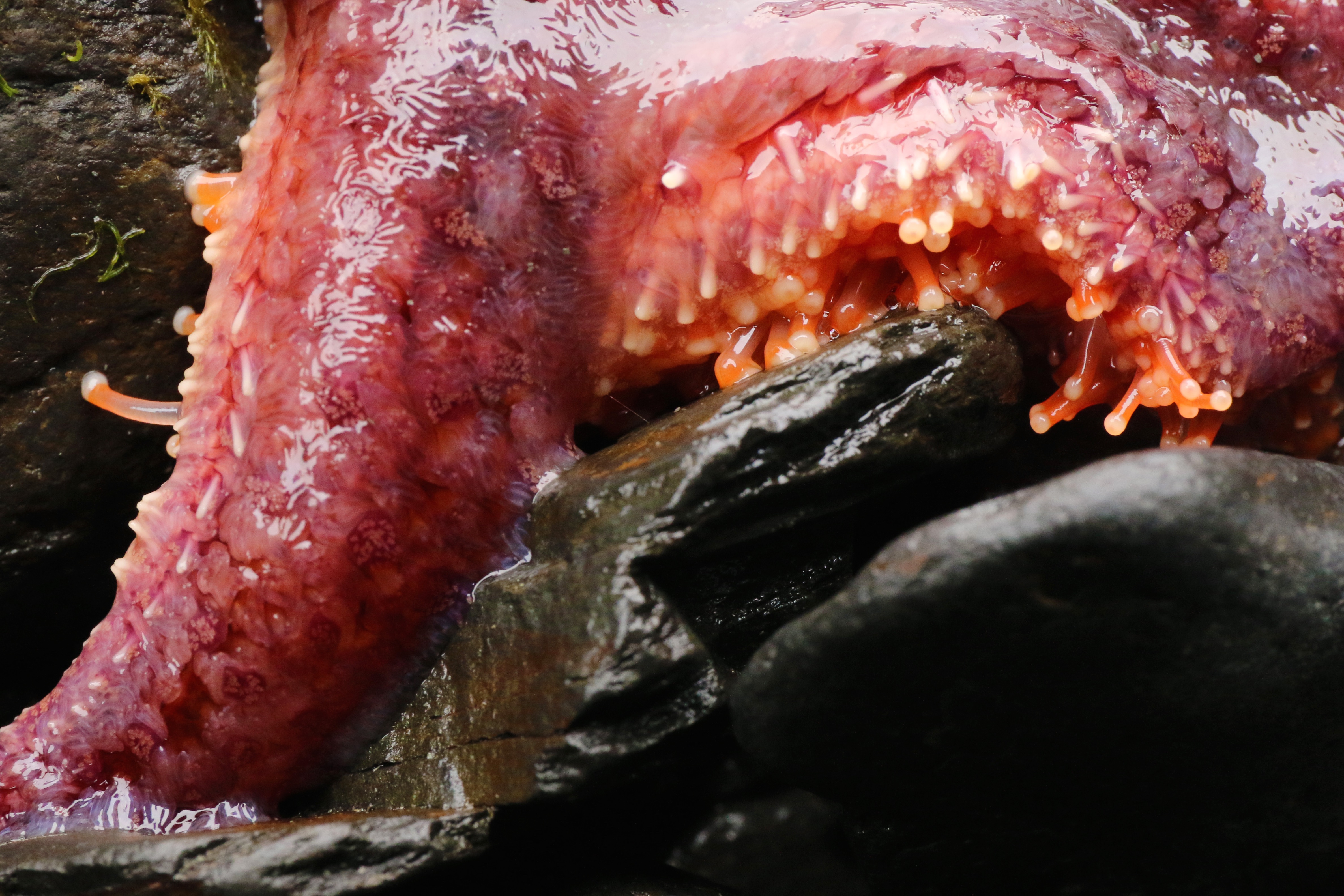
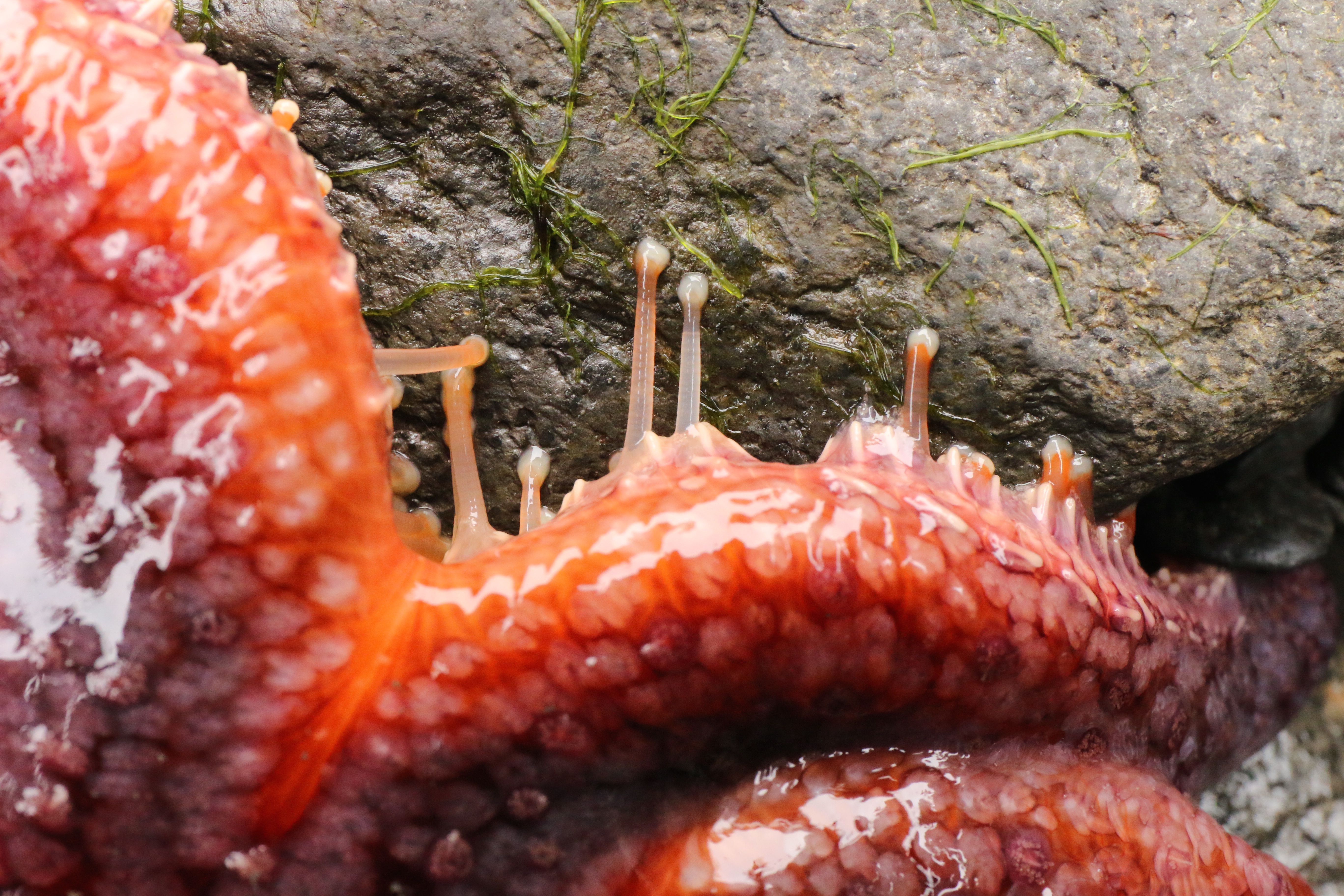
Pisaster ochraceous, the seemingly most abundant sea star in Kenai Fjords National Park, comes in purple and orange varieties. Photo taken on Saturday, June 20, 2015.
Pisaster ochraceous, the seemingly most abundant sea star in Kenai Fjords National Park, comes in purple and orange varieties. Photo taken on Thursday, June 18,  2015.
Pisaster ochraceous, the seemingly most abundant sea star in Kenai Fjords National Park, comes in purple and orange varieties. Photo taken on Saturday, June 20, 2015.
Pisaster ochraceous, the seemingly most abundant sea star in Kenai Fjords National Park, comes in purple and orange varieties. Photo taken on Thursday, June 18, 2015.
Pisaster ochraceous, the seemingly most abundant sea star in Kenai Fjords National Park, comes in purple and orange varieties. Photo taken on Saturday, June 20, 2015.
Pisaster ochraceous, the seemingly most abundant sea star in Kenai Fjords National Park, comes in purple and orange varieties. Photo taken on Thursday, June 18, 2015.
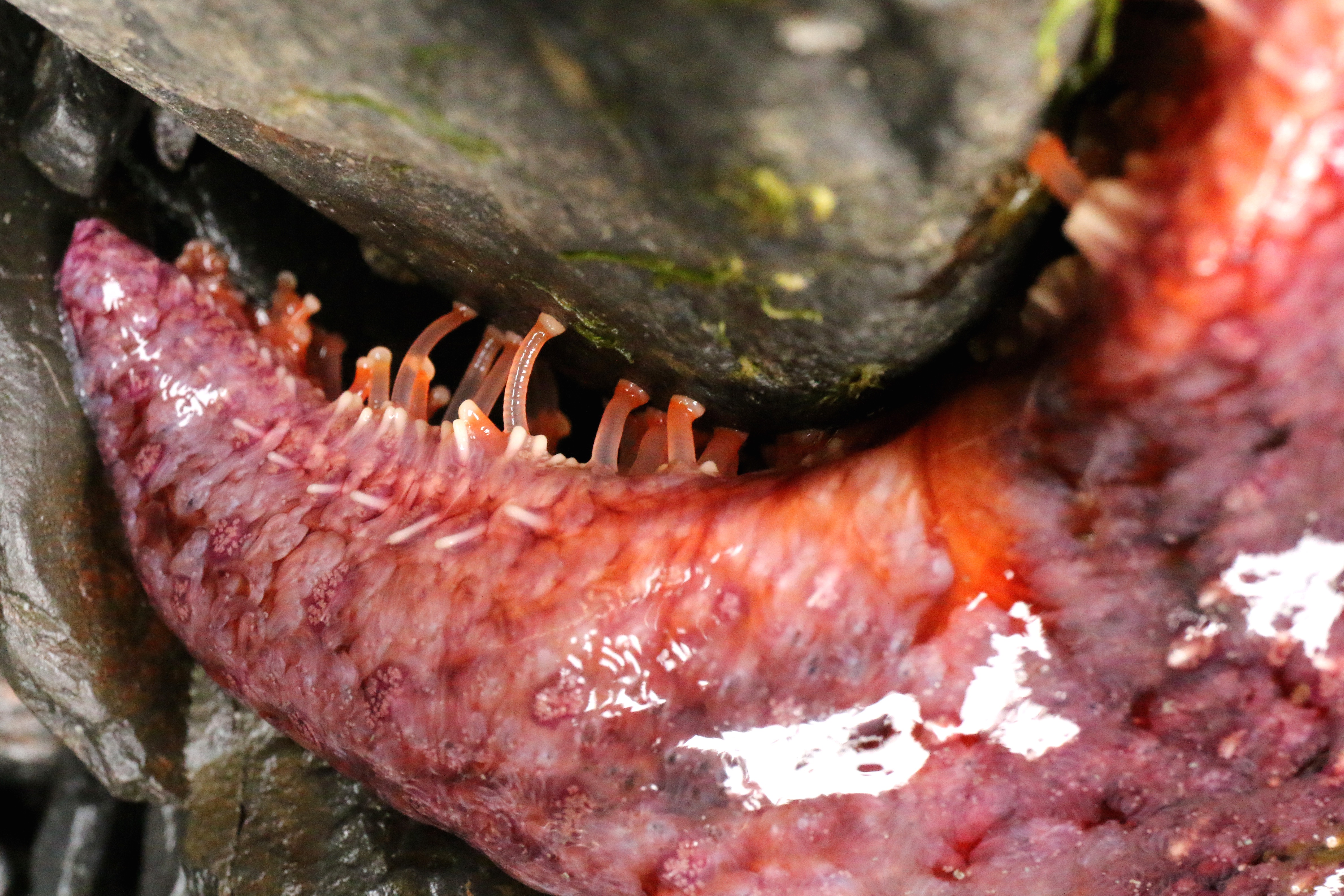
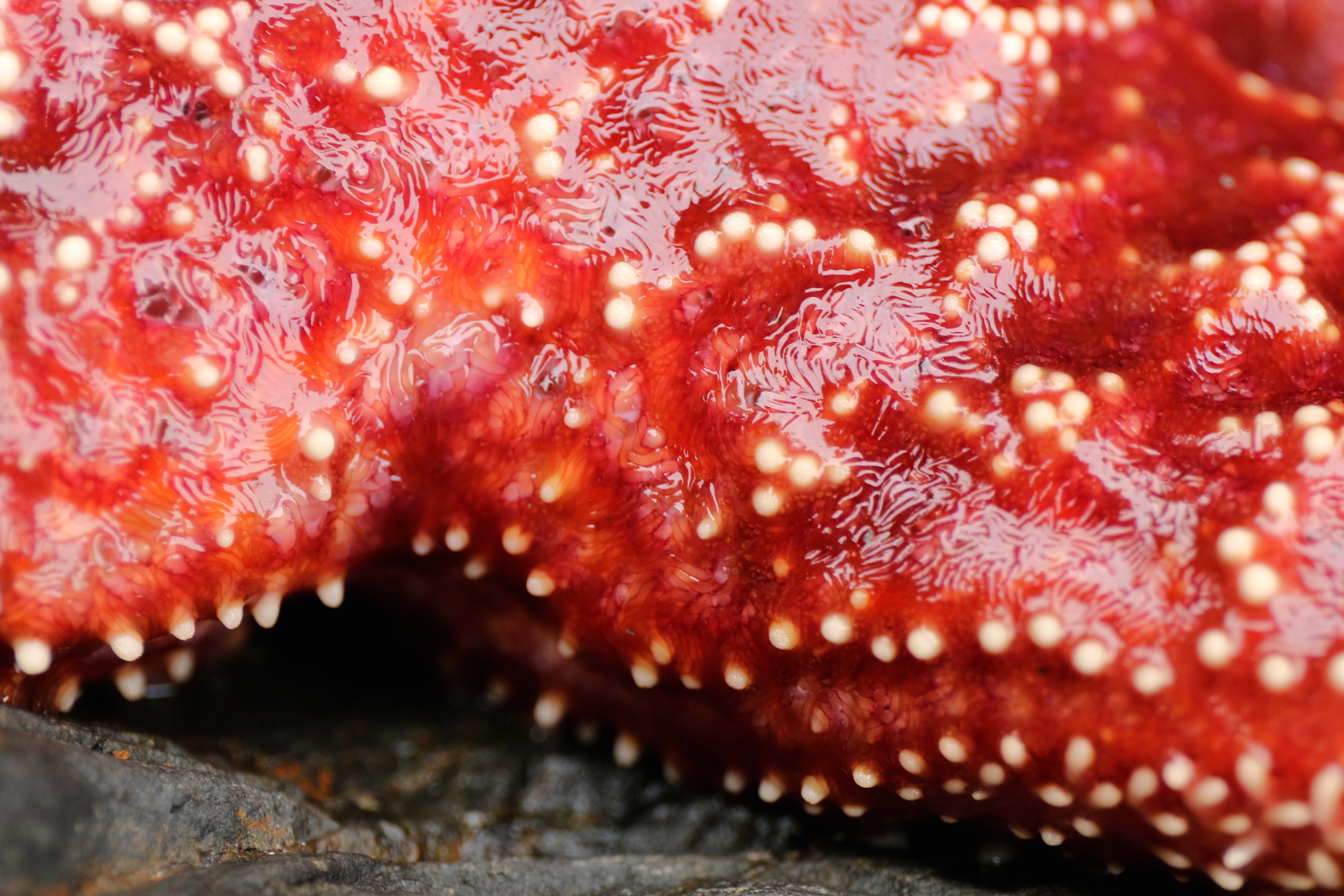
Pycnopodia helianthoides, or commonly known as the sunflower sea star, uses its tube feet to move across the rocky intertidal community. Photo taken on Saturday, June 20, 2015.
Pycnopodia helianthoides, or commonly known as the sunflower sea star, uses its tube feet to move across the rocky intertidal community. Photo taken on Thursday, June 18, 2015.
Pycnopodia helianthoides, or commonly known as the sunflower sea star, uses its tube feet to move across the rocky intertidal community. Photo taken on Saturday, June 20, 2015.
Pycnopodia helianthoides, or commonly known as the sunflower sea star, uses its tube feet to move across the rocky intertidal community. Photo taken on Thursday, June 18, 2015.
Pycnopodia helianthoides, or commonly known as the sunflower sea star, uses its tube feet to move across the rocky intertidal community. Photo taken on Saturday, June 20, 2015.
Pycnopodia helianthoides, or commonly known as the sunflower sea star, uses its tube feet to move across the rocky intertidal community. Photo taken on Thursday, June 18, 2015.
Pycnopodia helianthoides, or commonly known as the sunflower sea star, uses its tube feet to move across the rocky intertidal community. Photo taken on Saturday, June 20, 2015.
Pycnopodia helianthoides, or commonly known as the sunflower sea star, uses its tube feet to move across the rocky intertidal community. Photo taken on Thursday, June 18, 2015.
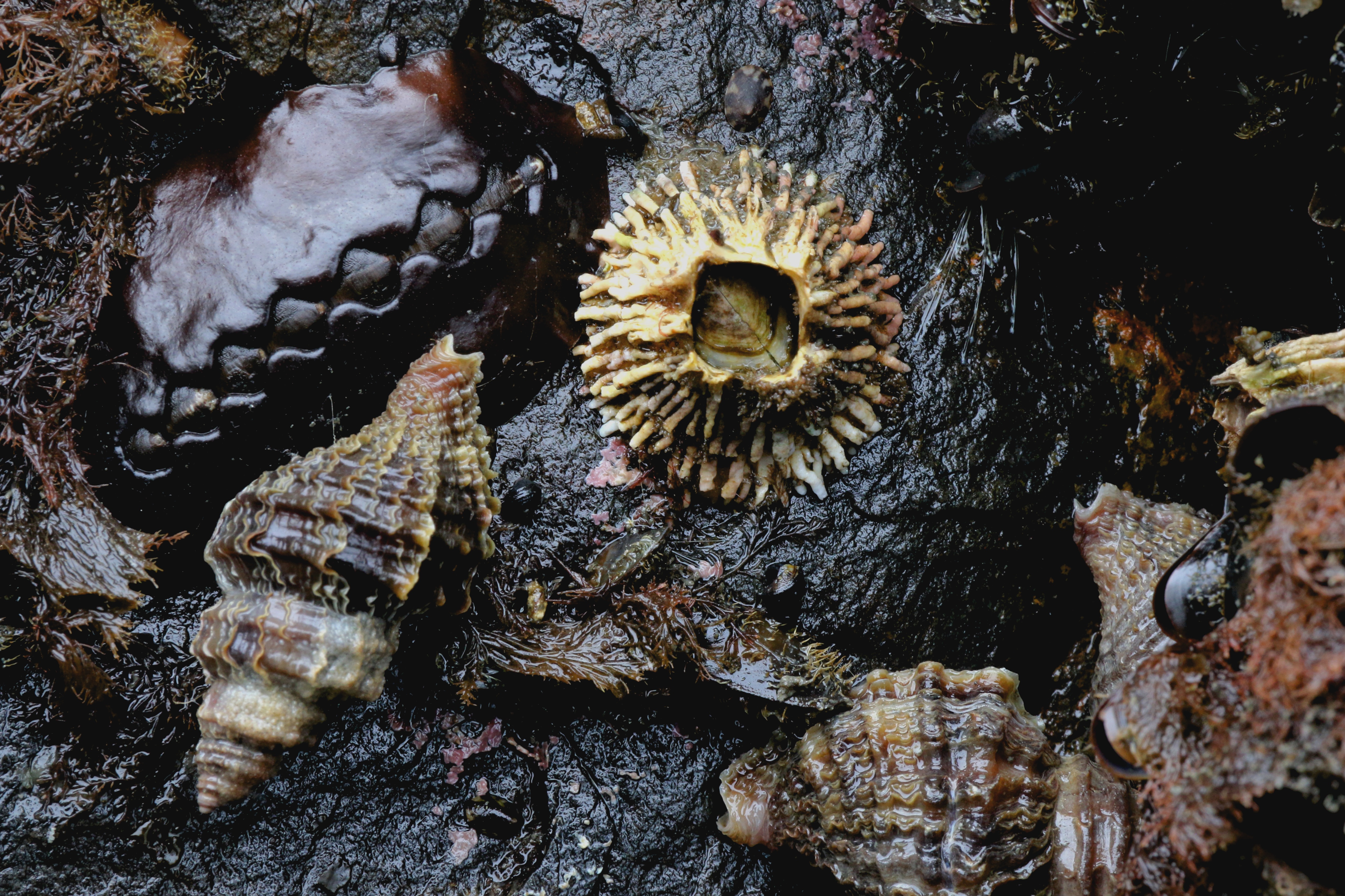
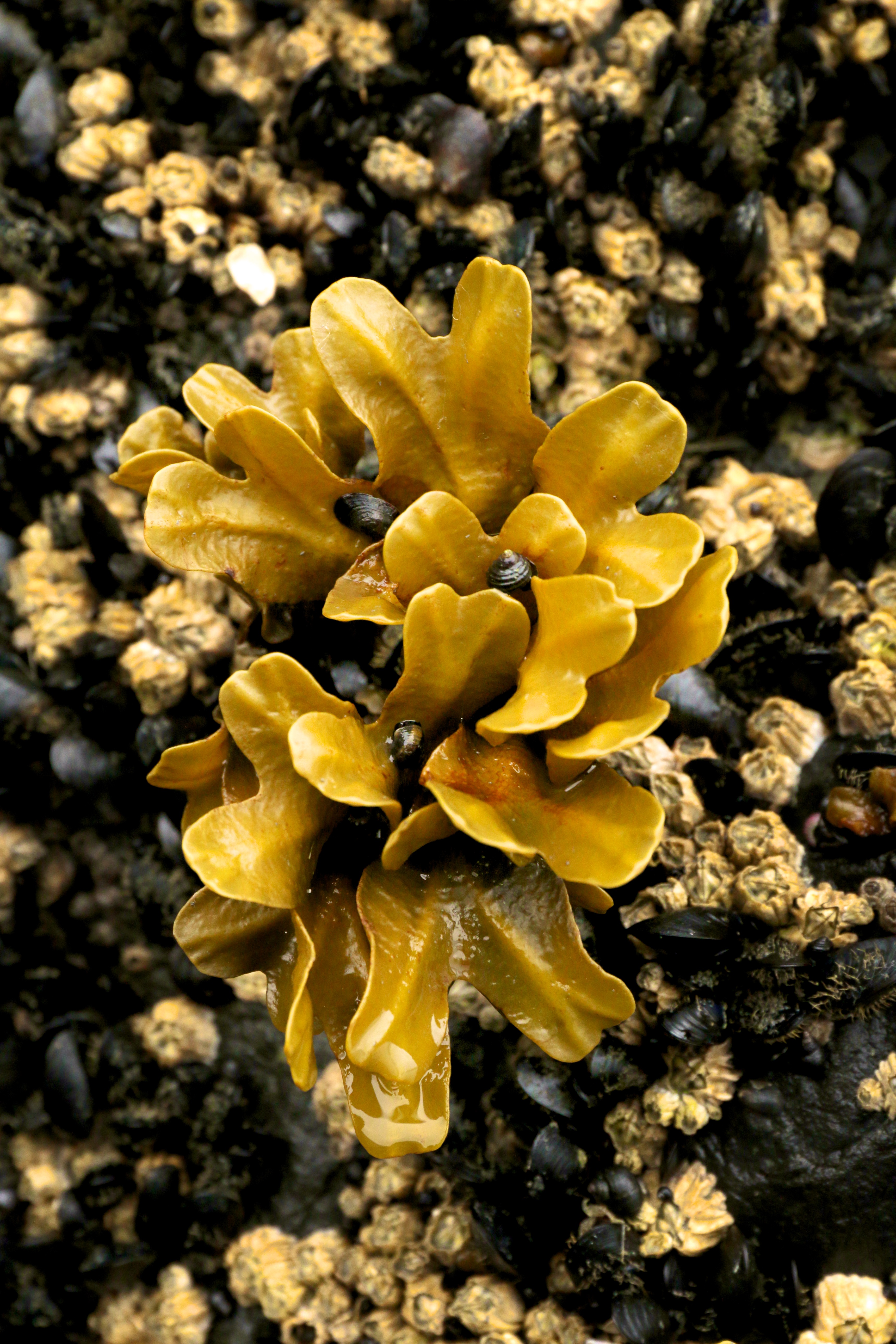
More life of the rock intertidal on Saturday, June 20, 2015.
More life of the rock intertidal on Friday, June 19, 2015.
More life of the rock intertidal on Saturday, June 20, 2015.
More life of the rock intertidal on Friday, June 19, 2015.
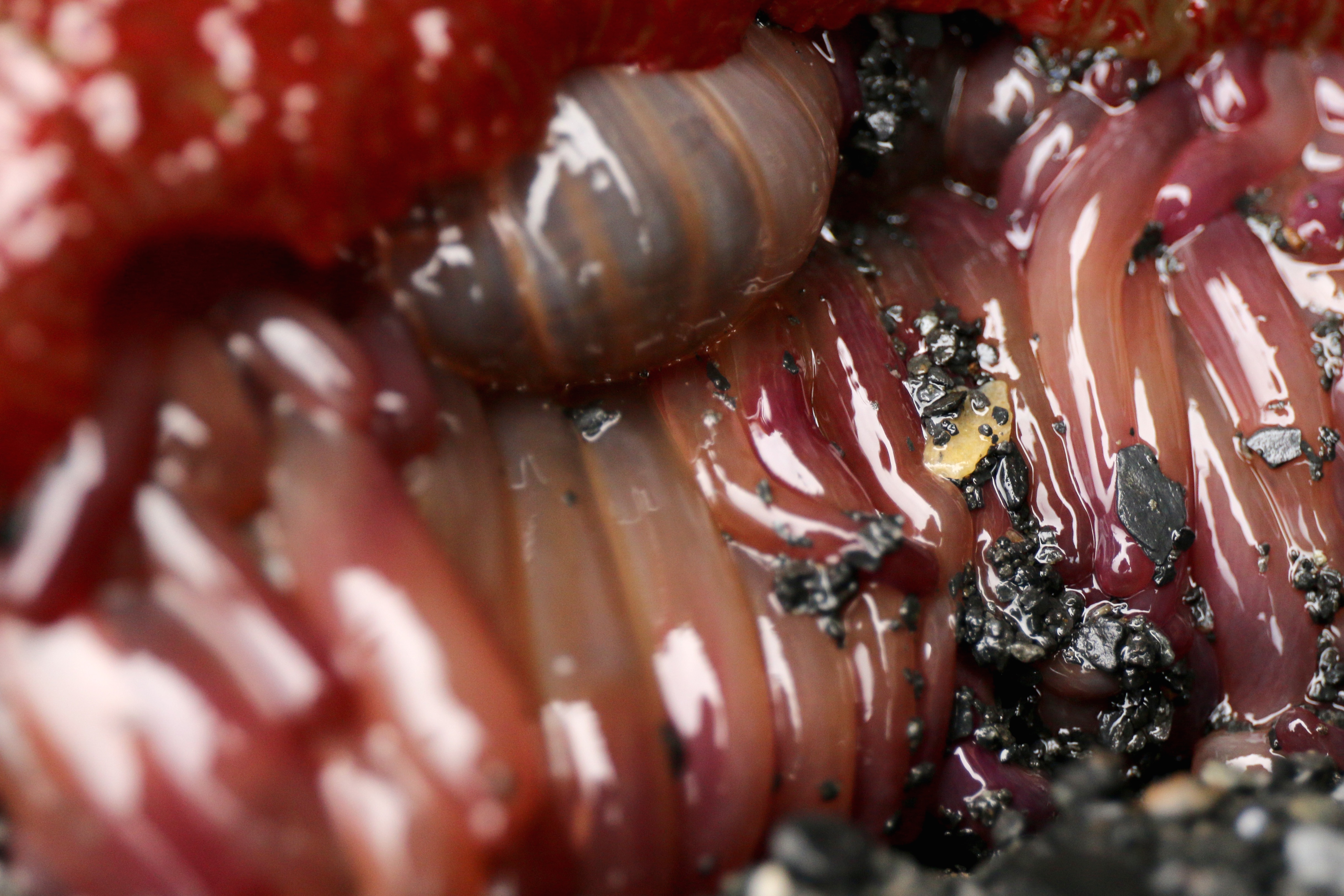
An Anemone, out of water on Saurday, June 20, 2015.
An Anemone, out of water on Friday, June 19, 2015.
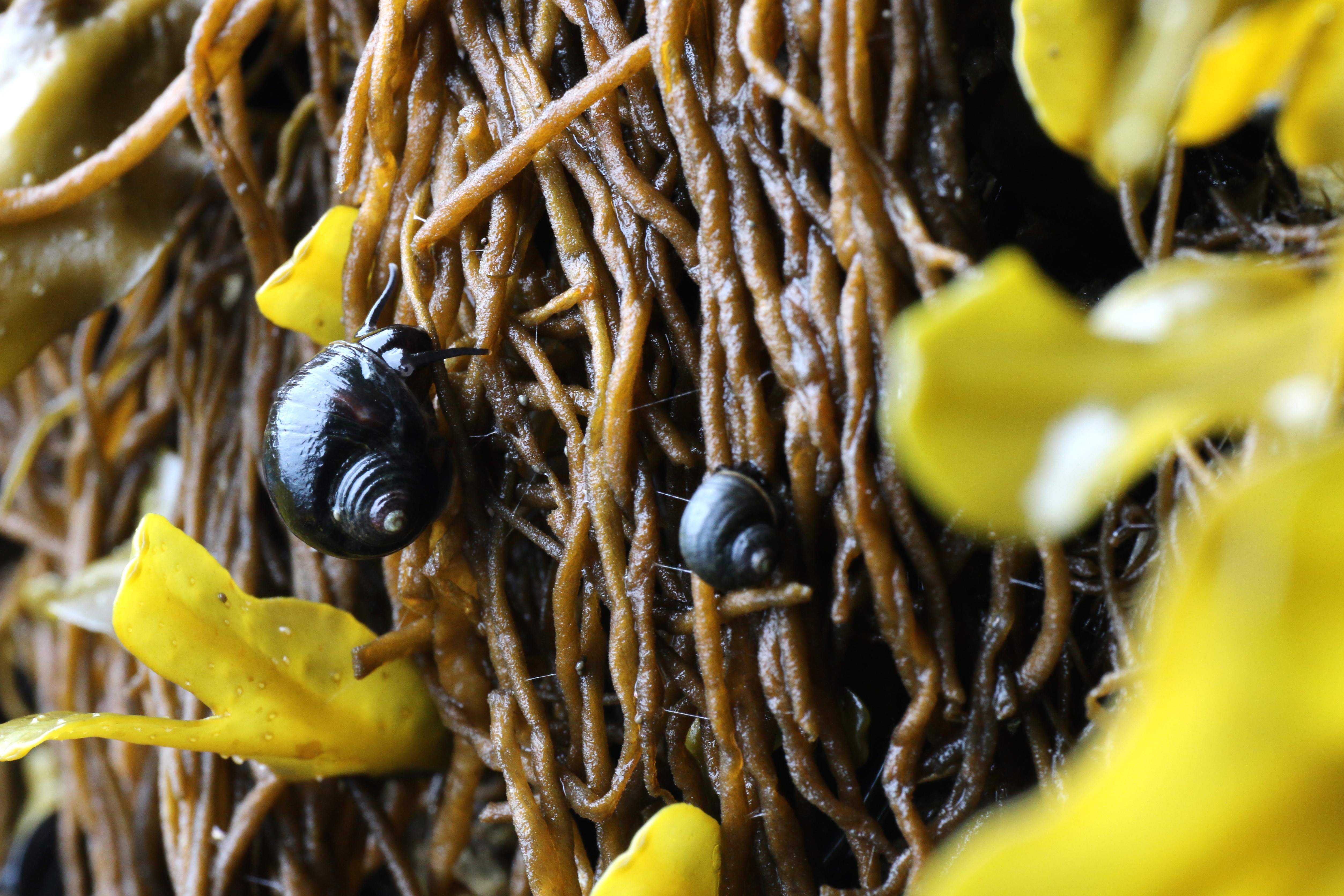
A small snail slowly moves on a Rock in it's intertidal ecosystem on Saturday, June 20, 2015.
A small snail slowly moves on a Rock in it’s intertidal ecosystem on Friday, June 19, 2015.

As we arrived at ABRS Thursday afternoon, we settled in for an early night in anticipation to wake and meet with the Inventory and Monitoring Near Shore crew at 5 am. But. Those pesky pesky tides. The boat was beached until 3 p.m. the next day. Which turned out to be a small blessing in disguise. We got to spend more time at ABRS exploring. We spent a lot of time observing this pair of Black Oyster Catchers- even watched them have a stand off with another pair trying to come on to their beach!
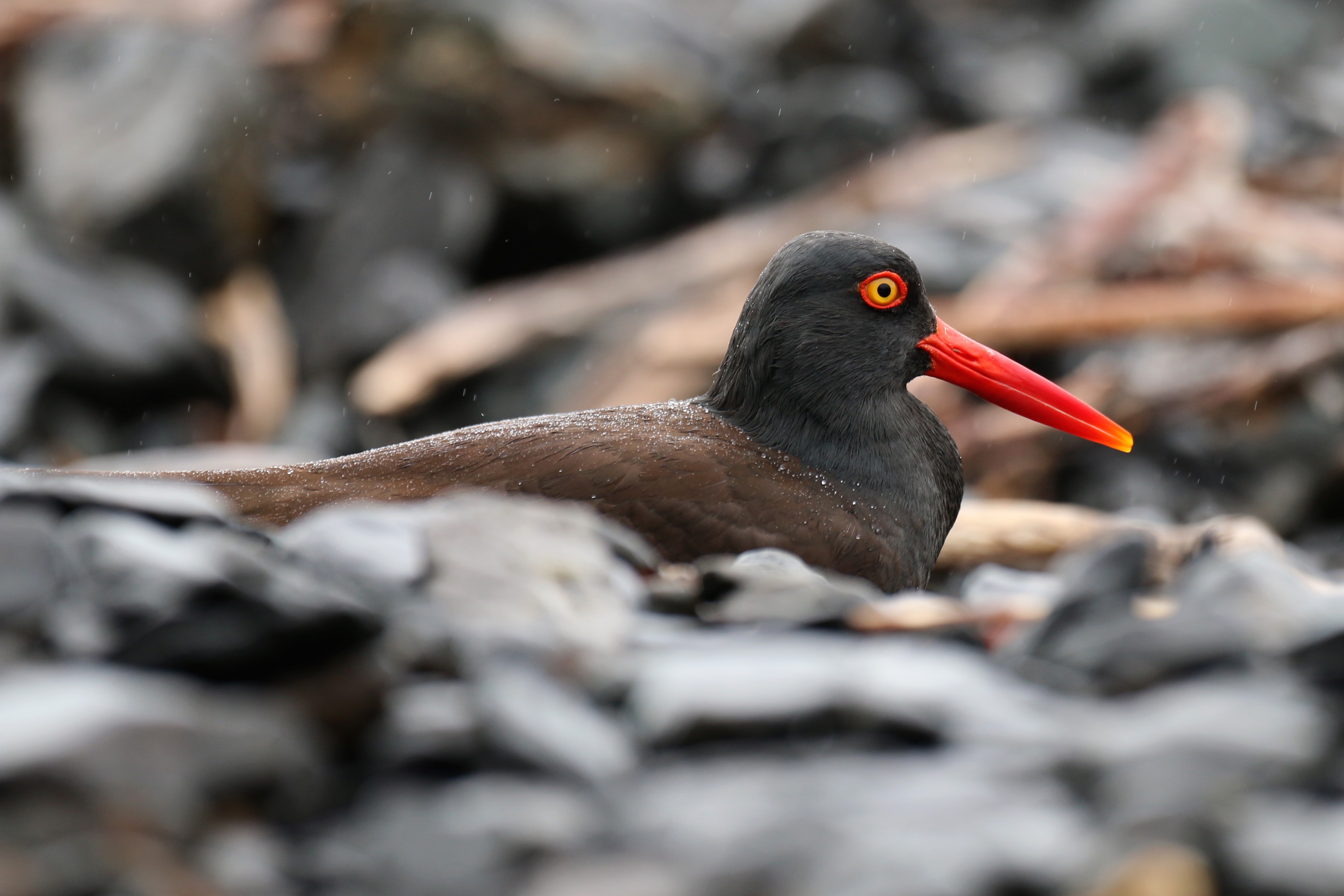
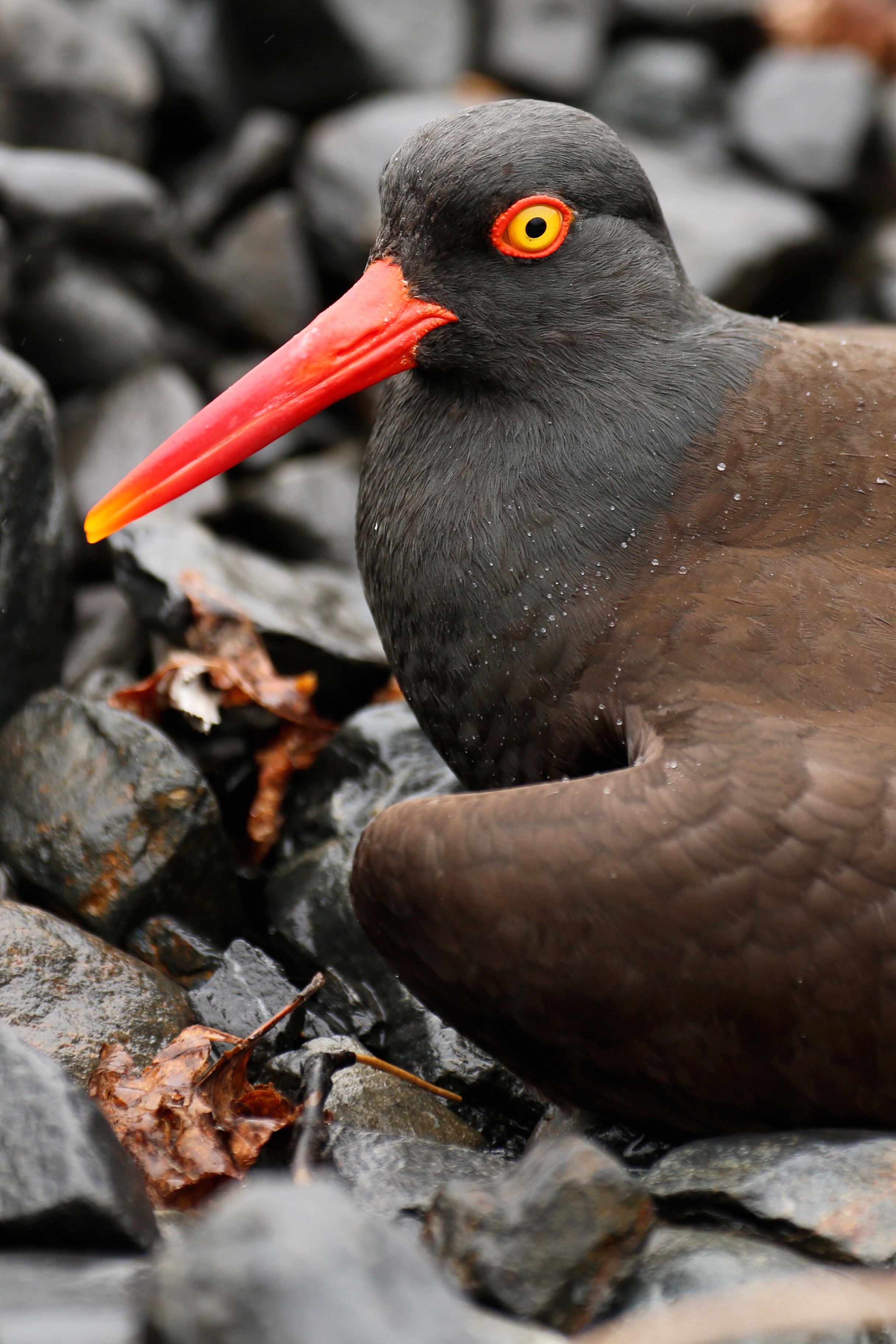
A Black Oyster Catcher props it's wing out to deter predators form it's active nest of three eggs. Black Oyster Catchers are vivid protectors of their nests, actively chasing and vocalizing after humans in the are of their eggs. It took a few hours for us to spot their nest on the rocky area in front of ABRS on Saturday, June 20, 2015.
A Black Oyster Catcher near it’s nest on the beach of ABRS. Black Oyster Catchers are vivid protectors of their nests, actively chasing and vocalizing after humans in the are of their eggs. It took a few hours for us to spot their nest on the rocky area in front of ABRS on Friday, June 19, 2015.
A Black Oyster Catcher props it's wing out to deter predators form it's active nest of three eggs. Black Oyster Catchers are vivid protectors of their nests, actively chasing and vocalizing after humans in the are of their eggs. It took a few hours for us to spot their nest on the rocky area in front of ABRS on Saturday, June 20, 2015.
A Black Oyster Catcher props it’s wing out to deter predators from it’s active nest of three eggs. Black Oyster Catchers are vivid protectors of their nests, actively chasing and vocalizing after humans in the are of their eggs. It took a few hours for us to spot their nest on the rocky area in front of ABRS on Friday, June 19, 2015.

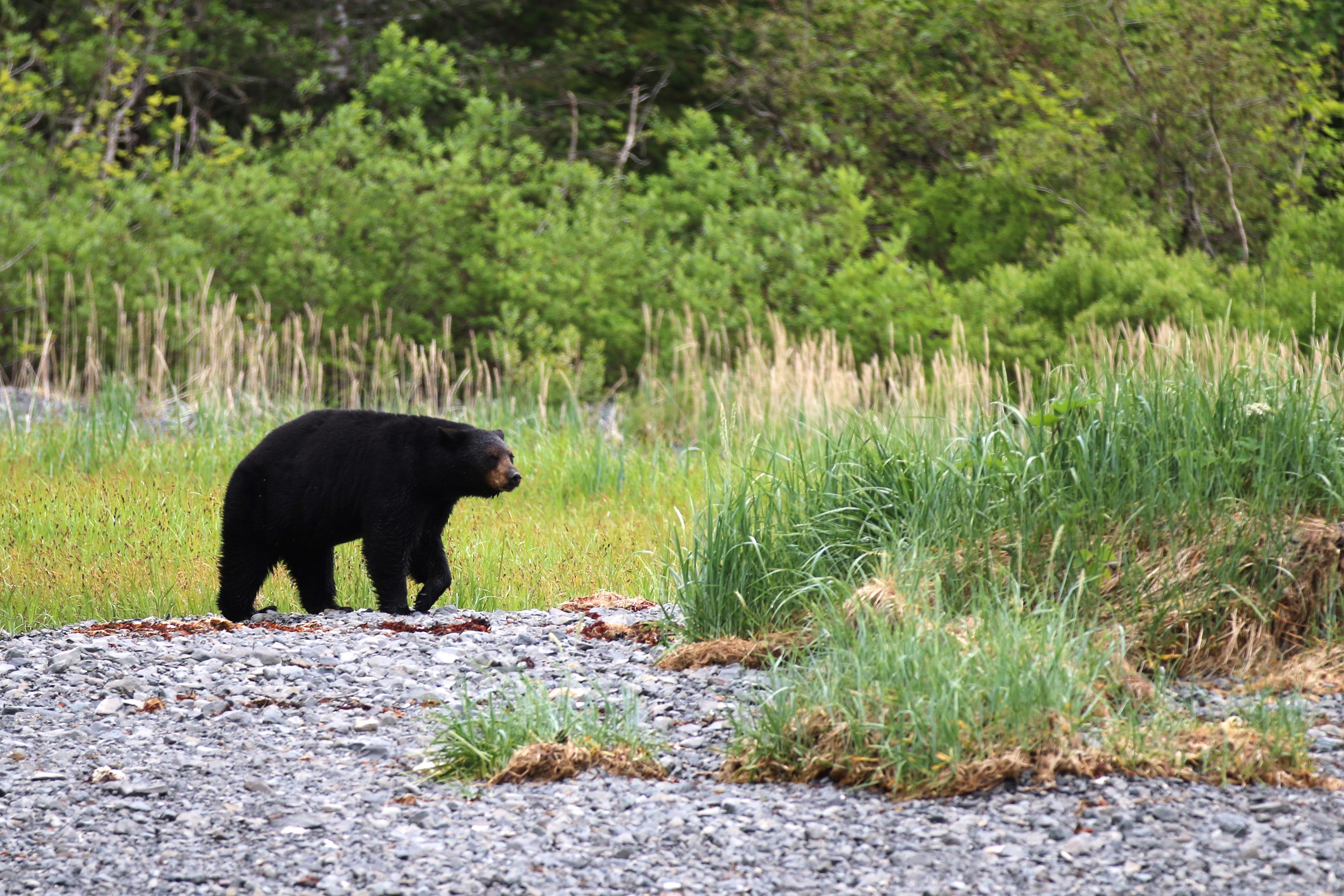
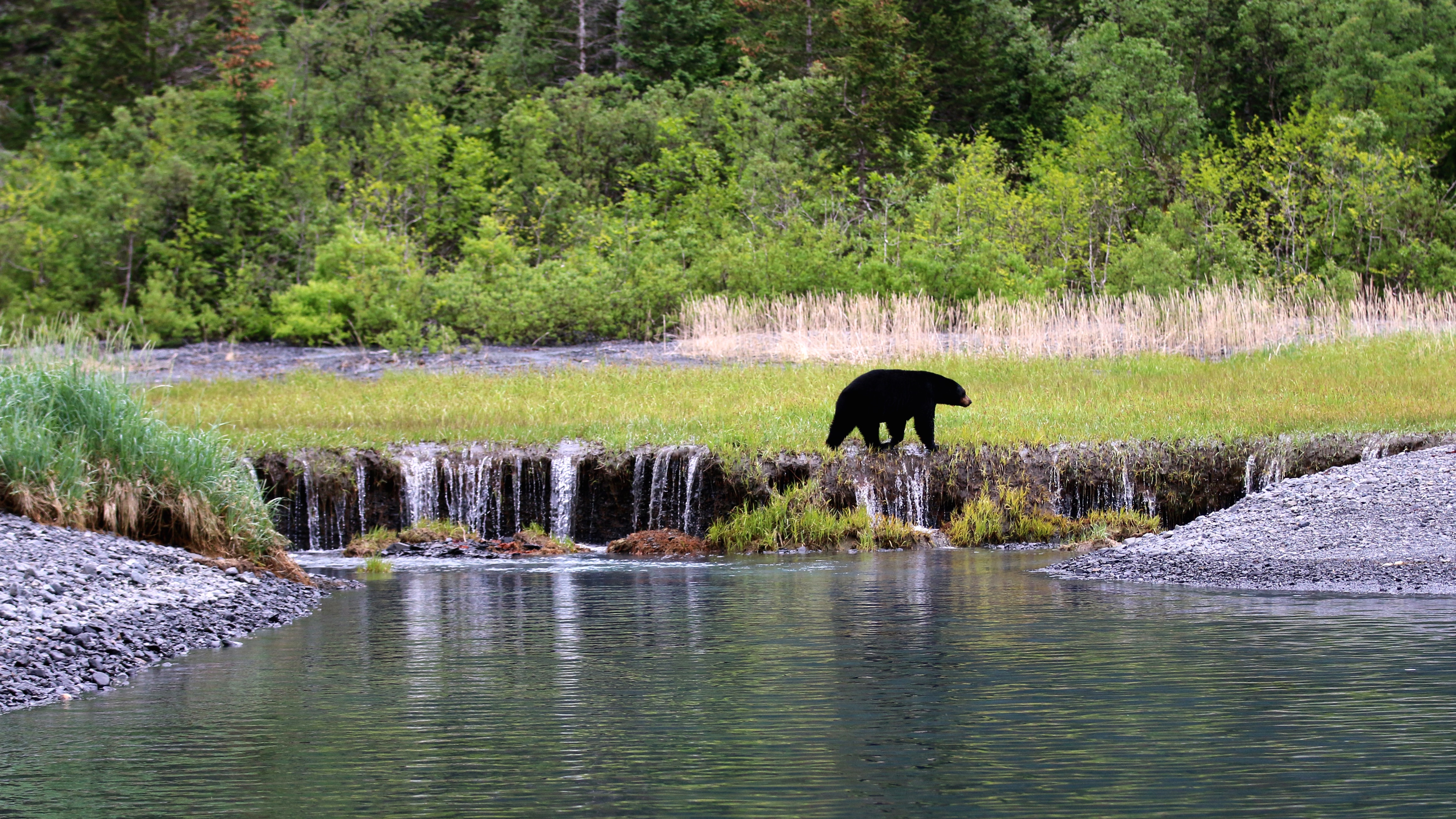
Erin and I eventually attempted to take a hike to the waterfall, only to be disappointed by the crazy thick foliage that stopped us form even getting close. We decided to sit on the rocks and hang out for a while, taking in the view before us. We were on the side of this lovely cove that we were going to call home for a few days. We had a Harbor Seal pop up and visit us, and Erin and I joked about the black bear that had been spotted around here showing up. When I took my 70-200 lens off and switched to my 24-70, I told her to jokingly be on the look out for the blackie because if it were to show up, it’d obviously be when I took my telephoto lens off. When she whipped around and hit me on the arm, I didn’t believe her as she pointed towards the hill we just attempted to climb over and said “there it is!” She wasn’t kidding. The tress were moving, splitting as something big and burly moved beneath them. We couldn’t see even a glimpse of the creature, but we knew it had to be the bear. A moose would have been tall enough to see through the brush, and a human wouldn’t make such a ruckus. We waited, and as the mover seemed to exit the hill, we watched. we watched to see seemingly nothing – the grass over the wetland area was too tall to show the creature as well. But then, he appeared (*disclosure, definitely could have been a she as well). He walked across the water fall area as Erin and I held our breaths and slid back on the rocks, hoping to cover ourselves a little by the over hanging trees. We wanted to watch the bear, not  disturb it or make it nervous. we knew that he knew we were there, for one, he could smell us because we were so close, and he also glanced at us once for a short second, only to look away and continue on his path. He was truly beautiful – thick glossy coat, just moving through the scenery that he belonged in. If I wasn’t there to see this encounter happen from beginning to end, I wouldn’t believe that this happened in such magical setting. It seems unreal (as most things here do). As he crossed, he was again covered by the tall grass, and we never saw him again.
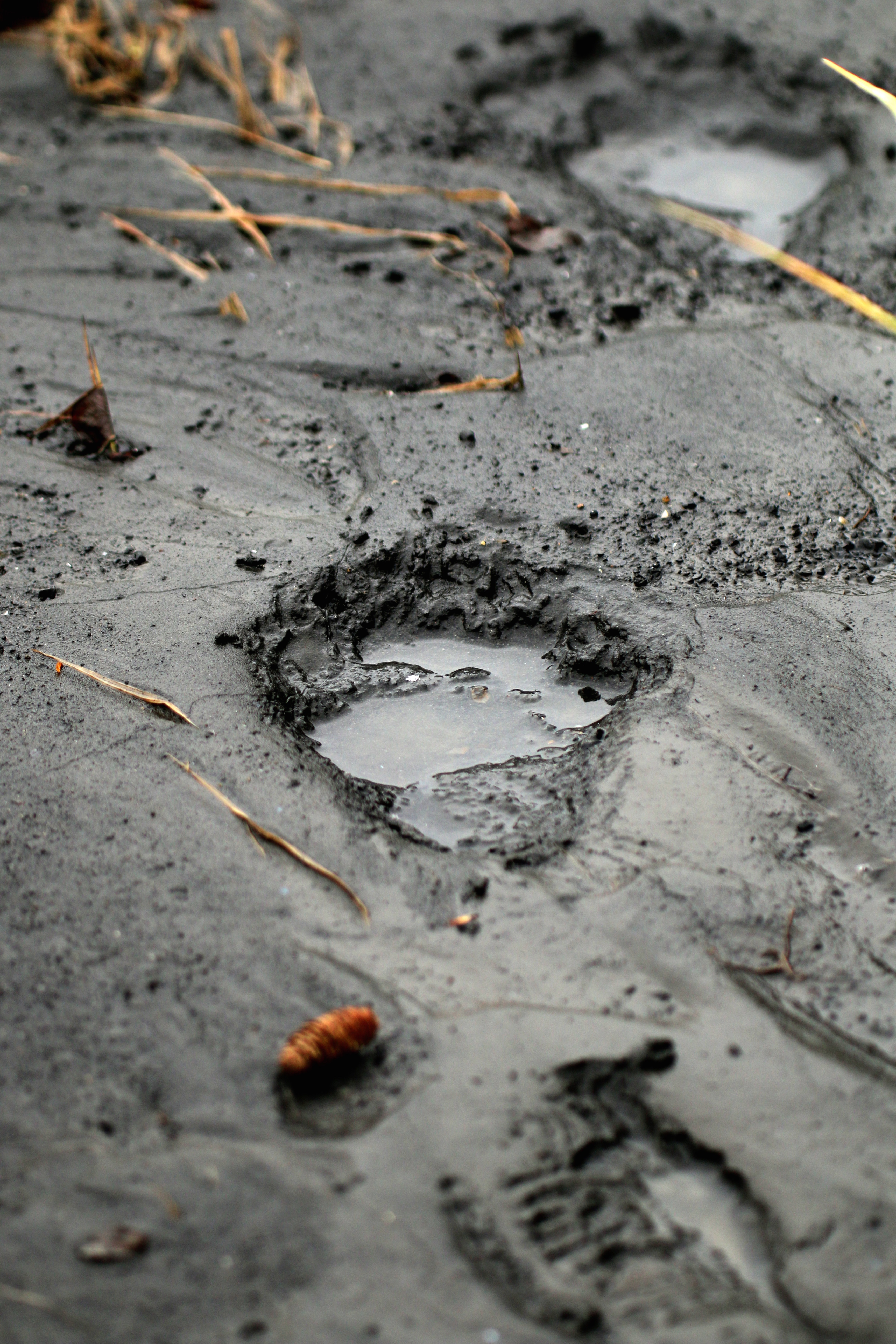
The first indication of the black bear at ABRS. This print was about the size of my hand. Photo taken on Saturday, June 20, 2015.
The first indication of the black bear at ABRS. This print was about the size of my hand. Photo taken on Friday, June 19, 2015.
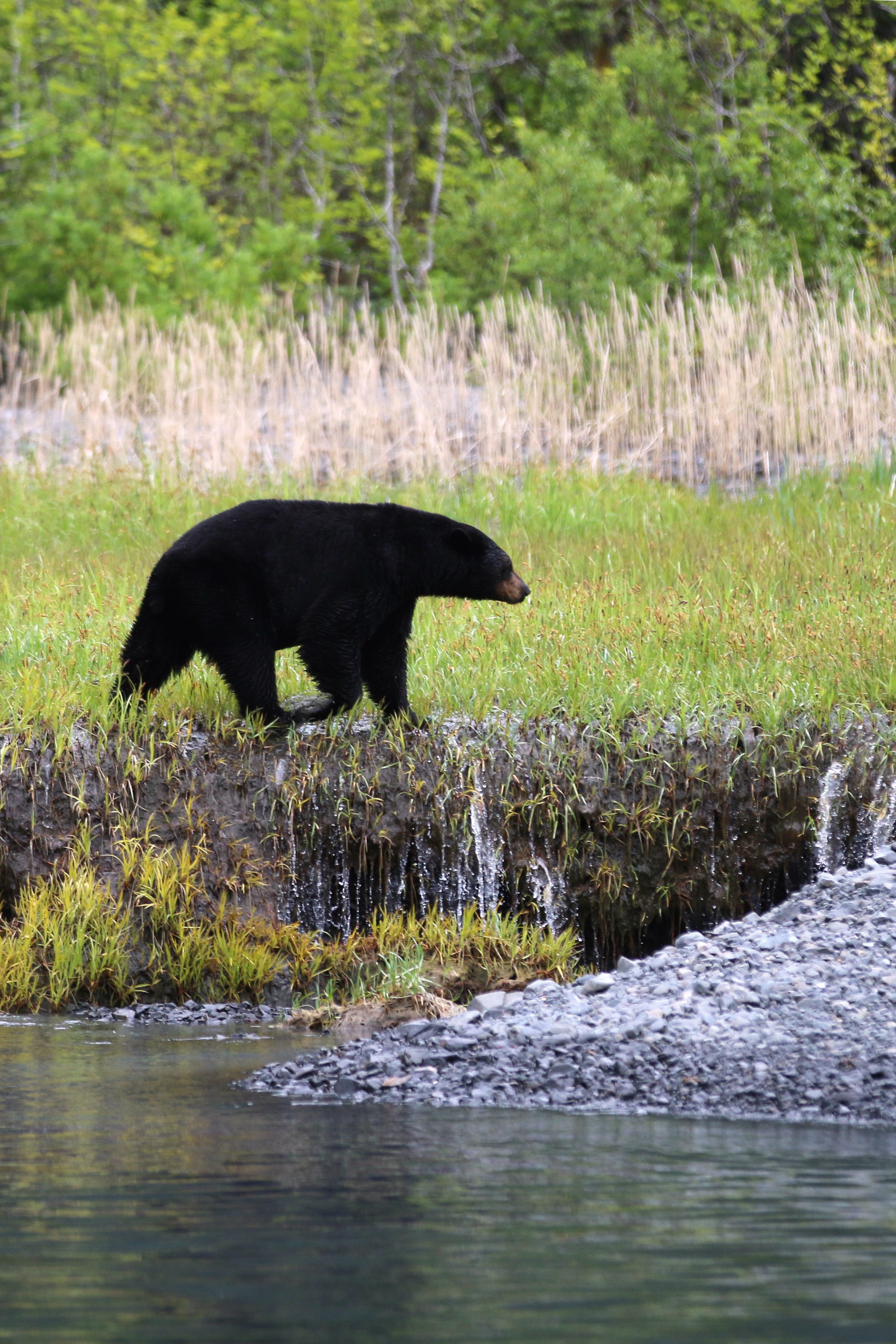
A peaceful Black Bear crosses over a waterfall in Kenai Fjords National Park on Saturday, June 20, 2015.
A peaceful Black Bear crosses over a waterfall in Kenai Fjords National Park on Friday, June 19, 2015.
A peaceful Black Bear crosses over a waterfall in Kenai Fjords National Park on Saturday, June 20, 2015.
A peaceful Black Bear crosses over a waterfall in Kenai Fjords National Park on Friday, June 19, 2015.
A peaceful Black Bear crosses over a waterfall in Kenai Fjords National Park on Saturday, June 20, 2015.
A peaceful Black Bear crosses over a waterfall in Kenai Fjords National Park on Friday, June 19, 2015.

Erin and I had the bear spray out and ready the whole time, but the first thing to do in a bear sighting is to go the other way. Our problem was that literally the only way to go was into the small area that we now knew the bear was in. We waited for 45 minutes, hoping that the bear would come back the way he came and continue on his way. But we eventually decided that we needed to head back for dinner – and traveled speaking loud and calling “Hey Bear” every once in a while (Bear spray in hand). When we arrived back at the cabin, we both jumped and giggled a bit in excitement that we had gotten back without crossing his path again. And there it is folks, my first- absolutely magical- black bear encounter. What an end to the day.

kaitichritz Avatar

About the author