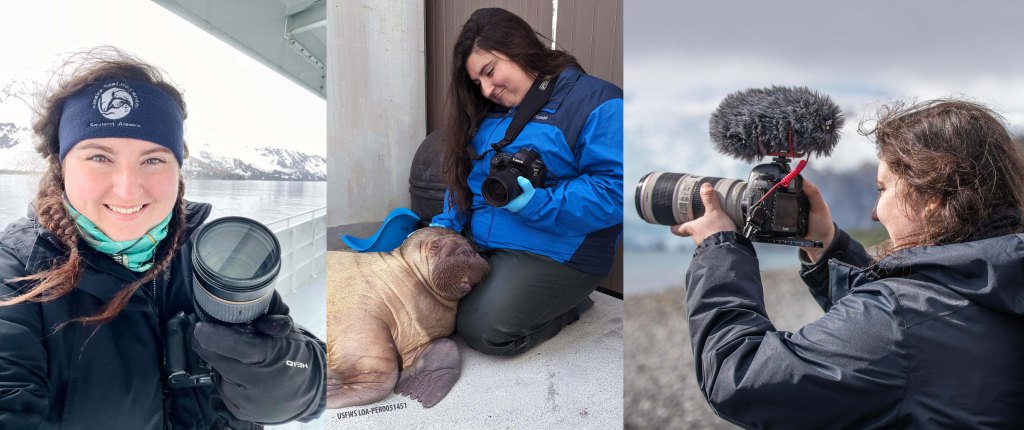
Kaiti Grant (formerly Kaiti Chritz) is a visual storyteller currently located in Seward, Alaska with 10+ years of communicating science and conservation storytelling for non-profit organizations.
Originally from Michigan, she has BS in Biology and a BS in Photojournalism from Central Michigan University. She began her studies focused on animal behavior and veterinary sciences, but was drawn toward telling the stories of the people behind science and conservation. CMU is home to one of the top photojournalism programs in the country, and she brings a foundation in transparent, journalistic storytelling and scientific studies to her work. A genuine curiosity and understanding of the scientific process helps build meaningful connections with researchers and fosters the trust needed to translate complex work into compelling stories.
Currently, Kaiti works for Alaska SeaLife Center as the Media & Communications Manager, acting as the lead photographer and content producer, running the Center’s social media channels, media relations, and more. The Alaska SeaLife Center is a complex organization filled with storytelling opportunity, with work being done in wildlife response, multiple research projects, and public education.
She is passionate about conservation and science, with a focus on sharing stories of wildlife through visual storytelling that sparks curiosity and connection. She brings a strong eye for detail in photo editing, with particular expertise in toning, cropping, and color correction to elevate each image to its fullest potential.
NOTABLE EARNED MEDIA & PHOTO PUBLICATIONS
The New York Times, Washington Post, Associated Press, CNN, ABC News, Good Morning America, CBS Evening News, USA Today
NOTABLE FILM CREDITS
PBS Nature, Walrus: Life on Thin Ice
Mutual of Omaha’s Wild Kingdom Protecting the Wild, Season 4
Current Position:
Media & Communications Manager – Alaska SeaLife Center
Previous Positions:
Communications Manager – Potter Park Zoo
Freelance Video Editor – Alaska National Park Service, OASLC
Michigan State University – Kellogg Center Social Media Coordinator
Photo Editor: Central Michigan Life www.cm-life.com
Alaska OASLC Media Intern: (Kenai Fjords National Park and Katmai National Park) http://www.nps.gov/OASLC
Photo Editor: Grand Central Magazine (Campus Life, Style, Sports, Opinion) gcmag.org/kaitichritz
Photography Intern: CMU College of Science and Technology: www.facebook.com/cstatcmu
VIDEO AWARDS
AOOS Film Competition: 1st place Adult Education Film for “Changing Tides: Bear Collaring” created for the Alaska National Park Service
PHOTOGRAPHY AWARDS
ACE Empathy for Wildlife Photography Contest: Winner 2025
Association of Zoo & Aquariums: Honorable Mention in the 2023, 2022, 2021, and 2018 AZA Photo Contest
Pacemaker from the Associated Collegiate Press: Awarded to Central Michigan Life while Photo Editor
Michigan Press Association: Division 1 second place 2016 College photographer of the year
Contact Me:
Email: kaitichritz@gmail.com
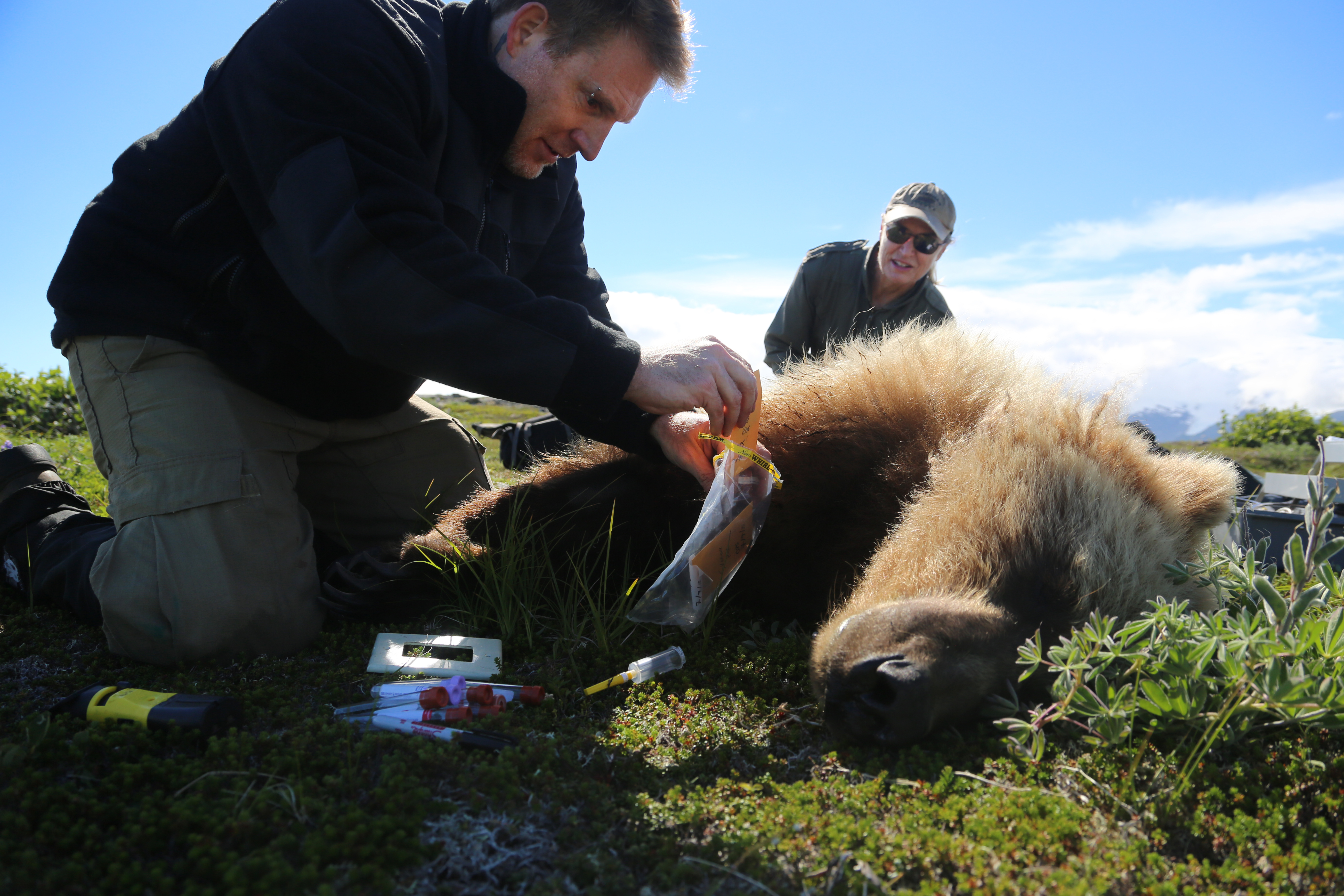
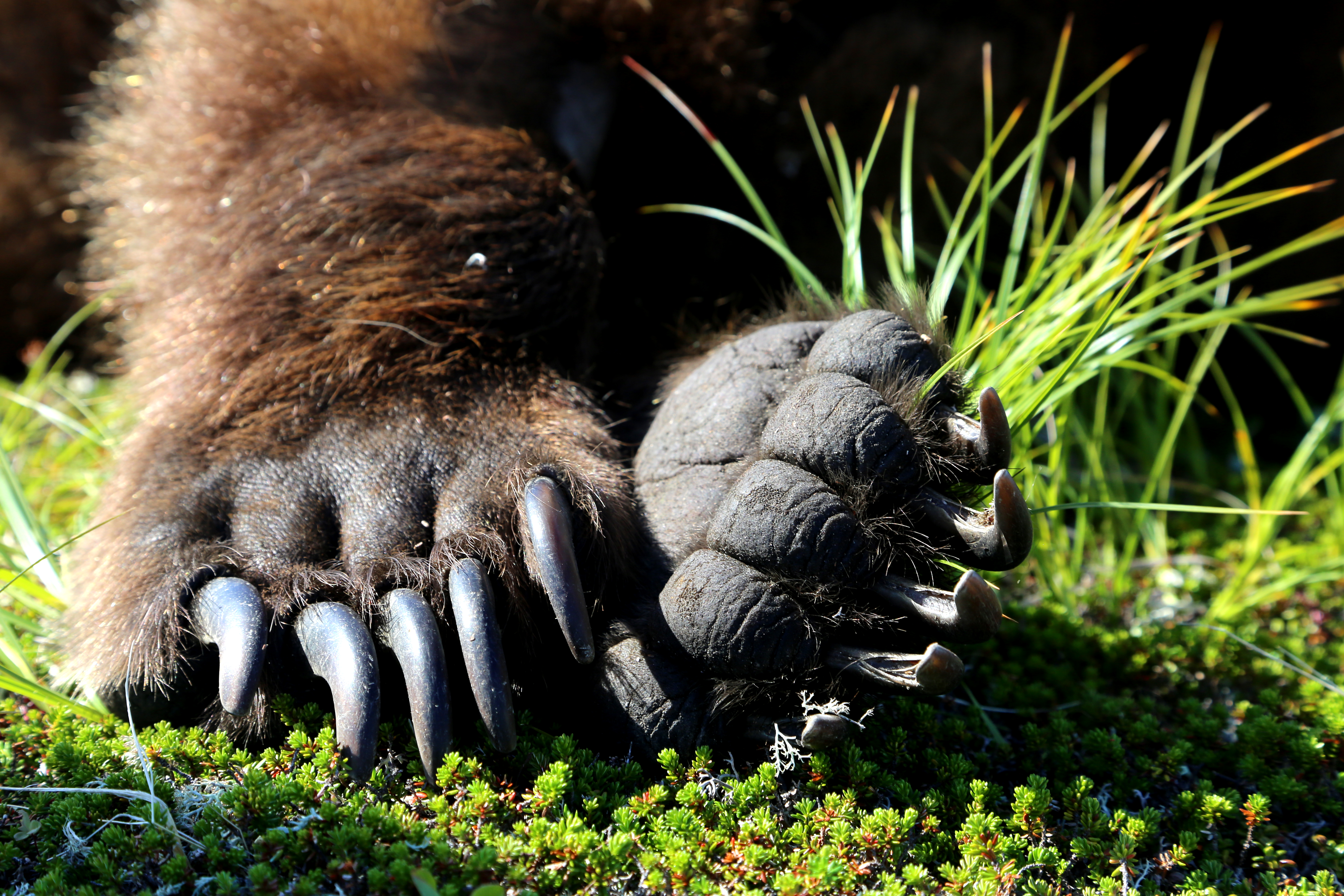
A female brown bear was tranquilized by scientists to have samples collected, be weighed and have a GPS collar placed on July 7, 2015. She woke a few hours after collaring and her behavior was reported as normal. 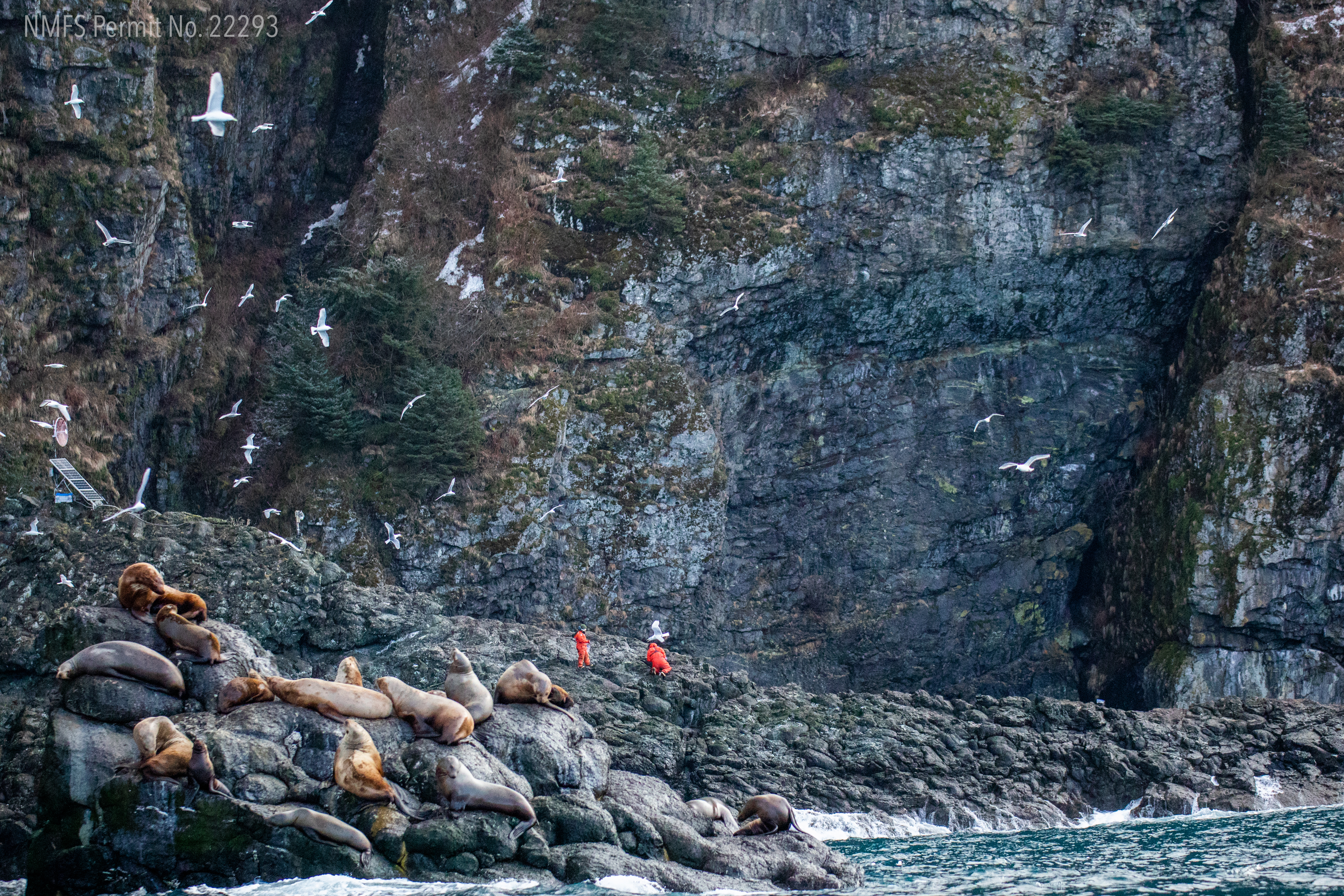
Chiswell Island Steller Research Team at the Alaska SeaLife Center collects scat samples from a rookery in Alaska to learn more about winter diets of this endangered species. 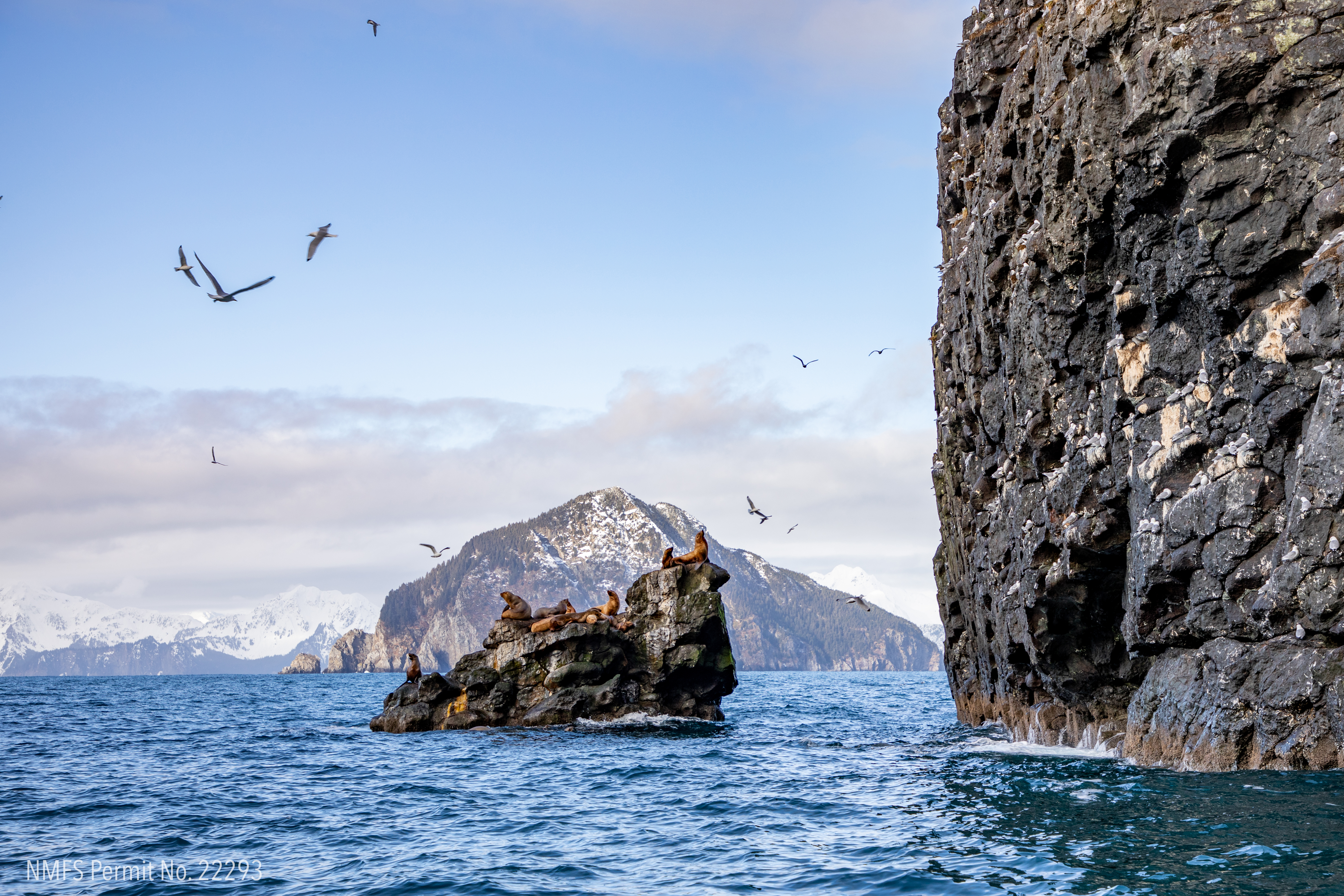
Steller sea lions in Alaska. 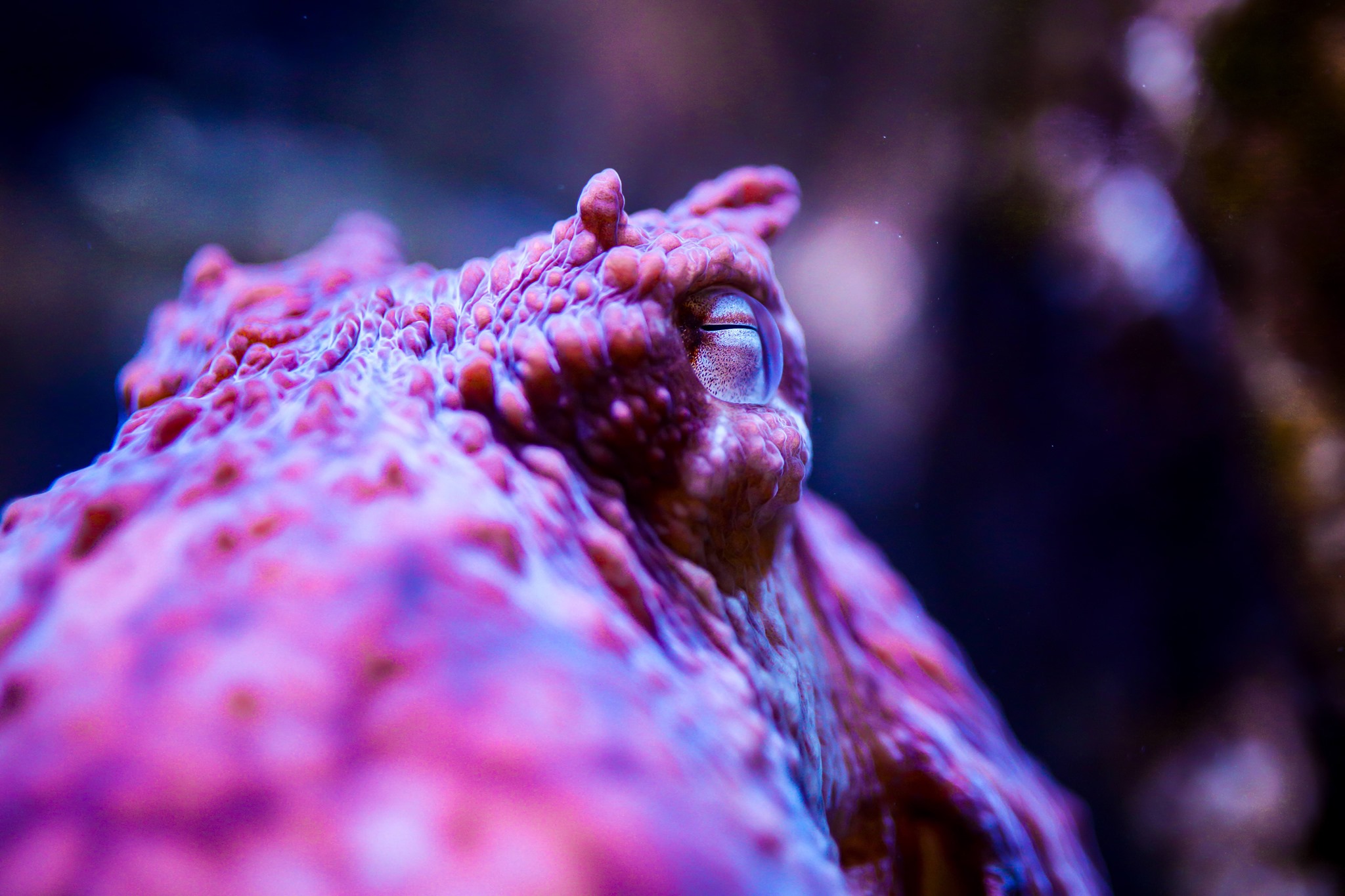
2022 Honorable Mentions – Association of Zoos and Aquariums photo contest Fun Fact! Octopus eyes have only one kind of photoreceptor, implying that they can only see in black and white. But octopus have brilliantly colored skin and are masters of camouflage, which leads scientists to believe that they may not be colorblind. Some scientists believe these creatures can also see with their skin and others believe that their U-shaped pupils allow them to use chromatic aberration to interpret color. There’s so much to learn about this incredible animal! 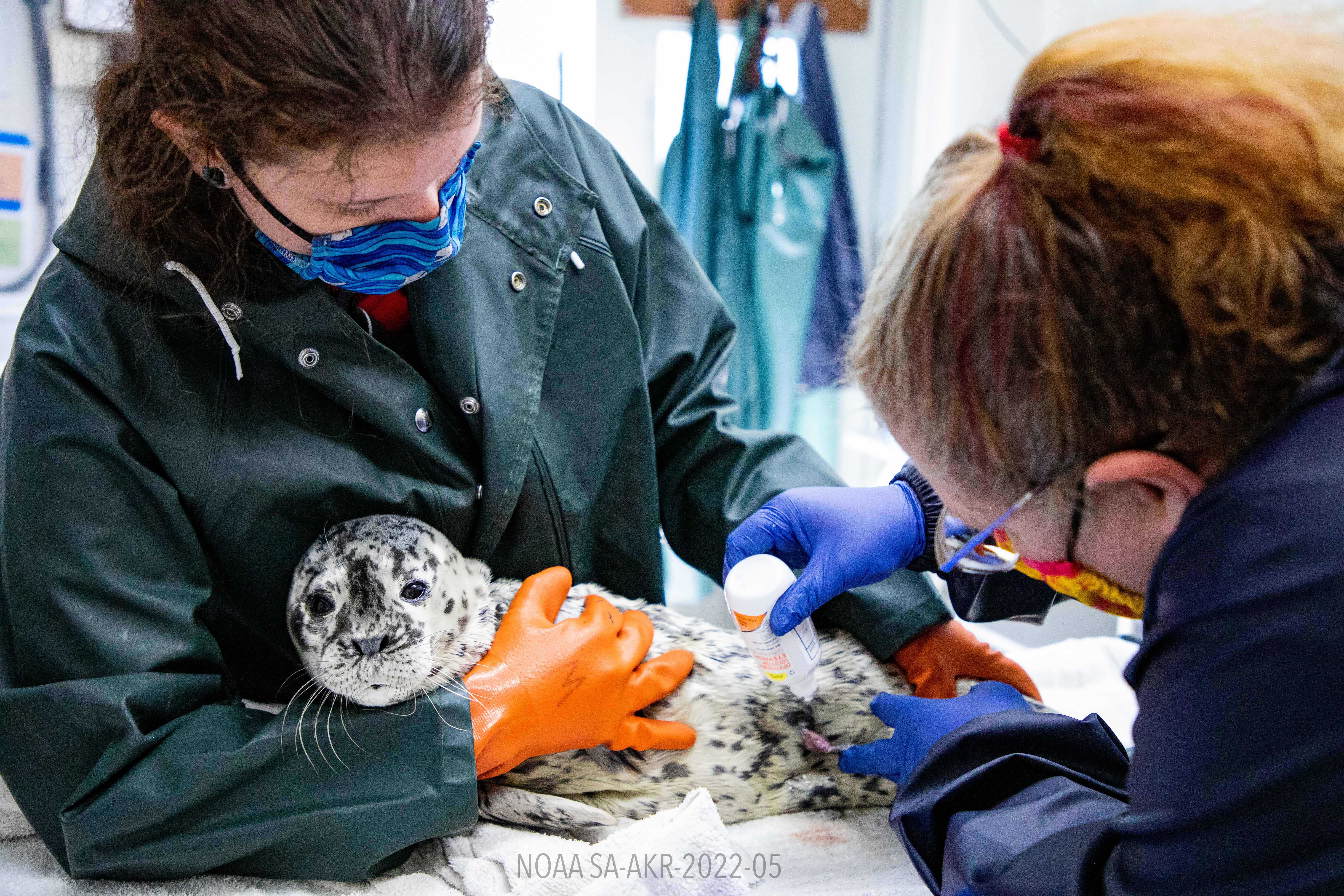
ASLC’s wildlife response team admits a an orphaned harbor seal pup to the wildlife response program. 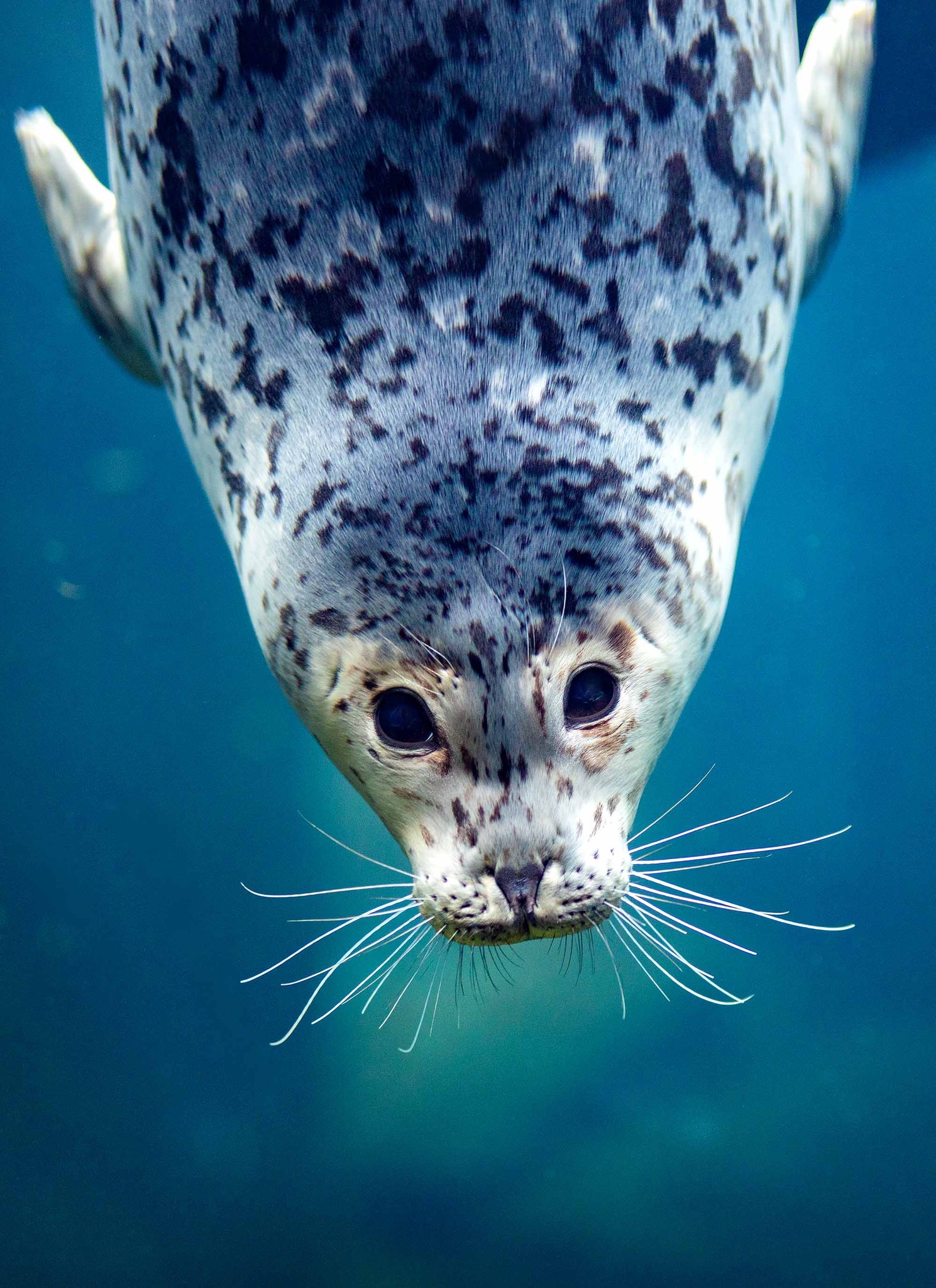
2023 Honorable Mention Association of Zoos and Aquariums Photo Contest Little Tuq the harbor seal has come such a long way in his journey! 💙 This harbor seal pup was in bad shape when he arrived to the Alaska SeaLife Center as a patient in our Wildlife Response Program this past summer. Tuq had significant neurological damage that we weren’t sure he’d make it through. After many months of expert care from the wildlife response team, this cute little guy pulled through. We found out he was not a release candidate due to neurological issues that cause his head to wobble, but he’s having a blast with his new seal buds here at the Alaska SeaLife Center! He’ll continue to receive the special care he needs here at the Center. 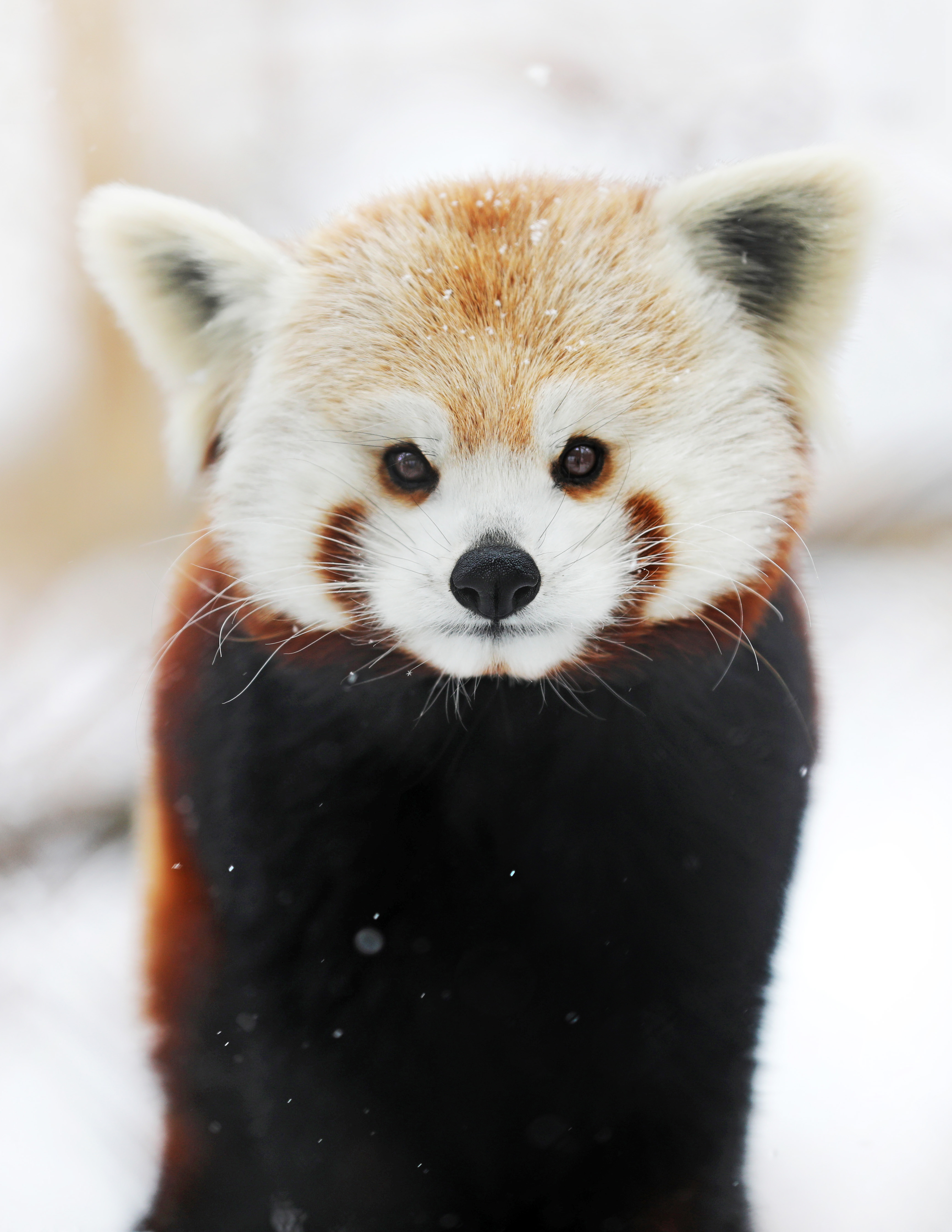
Honorable Mention in the 2018 AZA Nation Wide Photo Competition 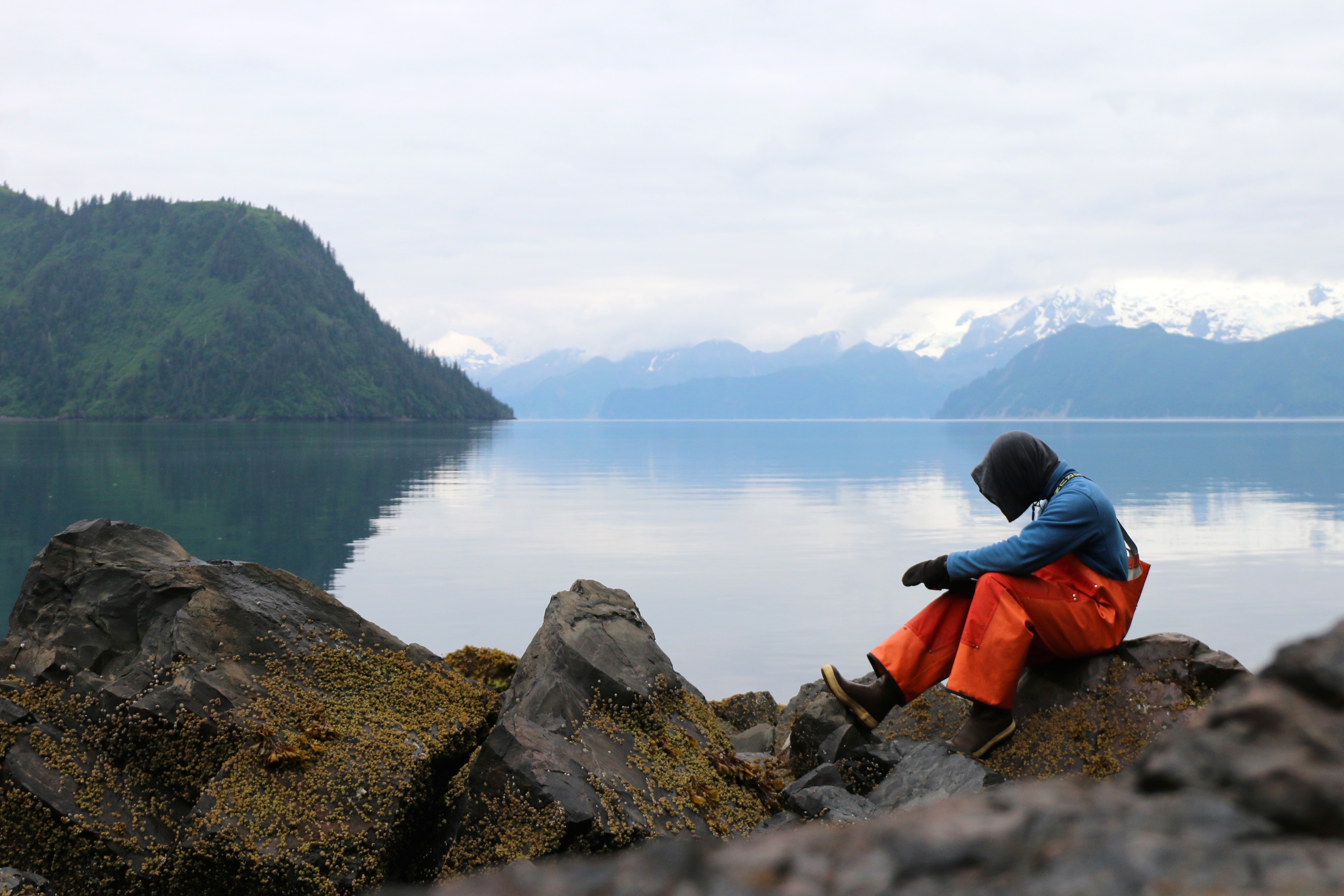
John collects algae distribution data on a Rocky intertidal shore in Kenai Fjords National Park on Saturday, June 10, 2015. 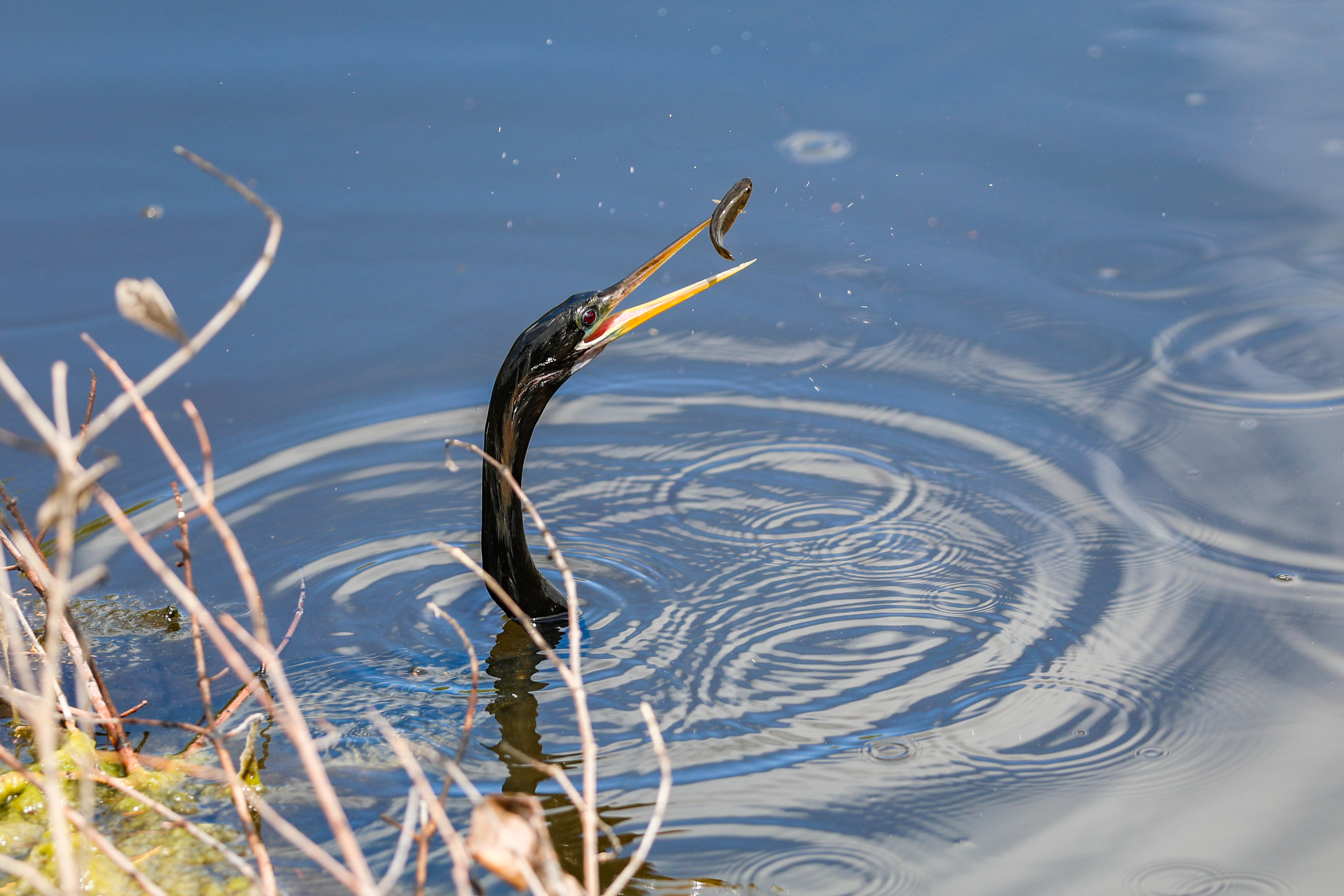
A male anhinga hunts for fish in the water at Merrit Island National Wildlife Refuge. Anhingas are wonderful hunters who dive under the water to catch fish. 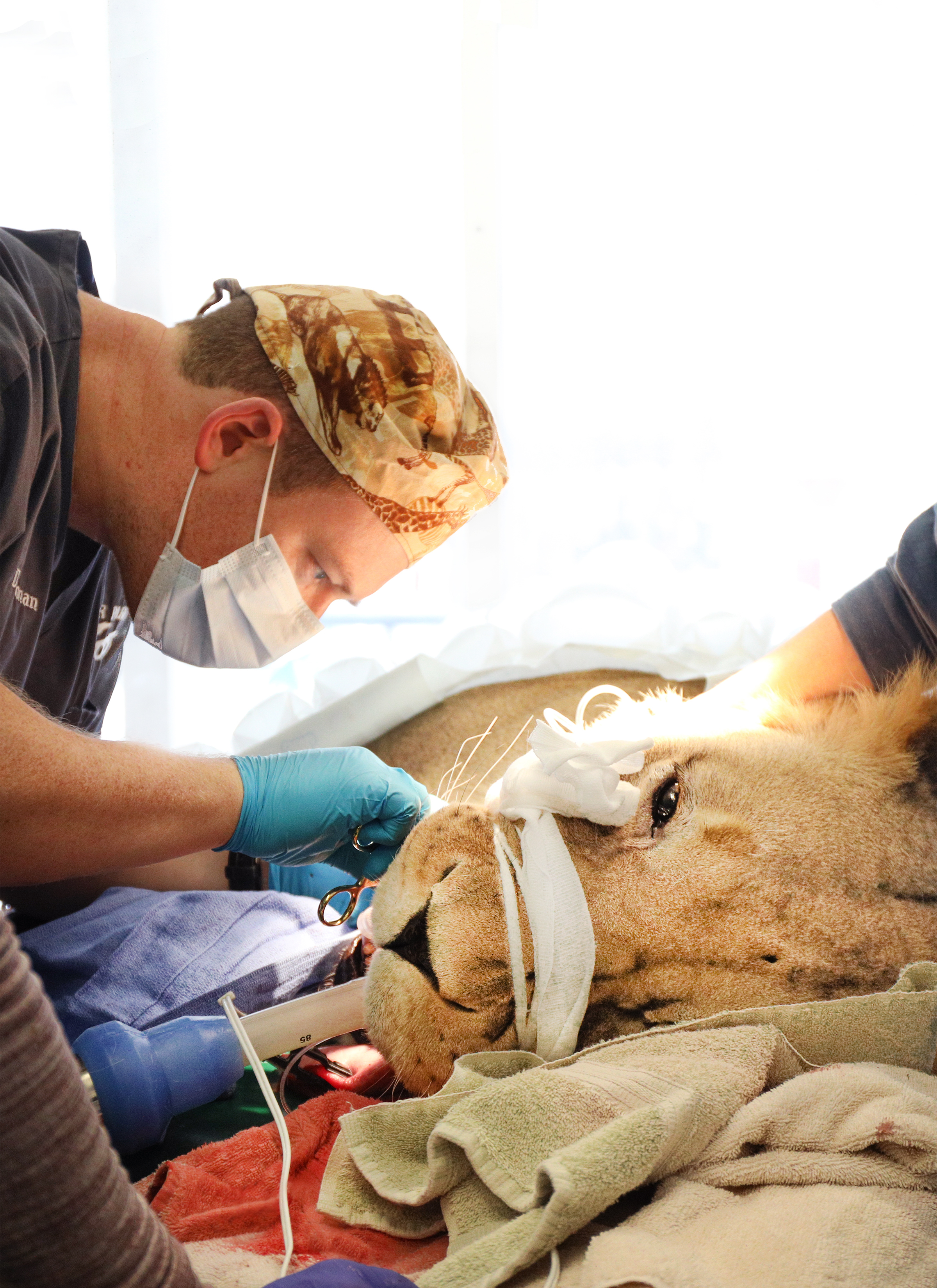
Dr. Potter Park Zoo’s Director of Animal Health operated on Ulana the lioness. The lion needed a root canal, and recovered quickly from the procedure and is doing well. 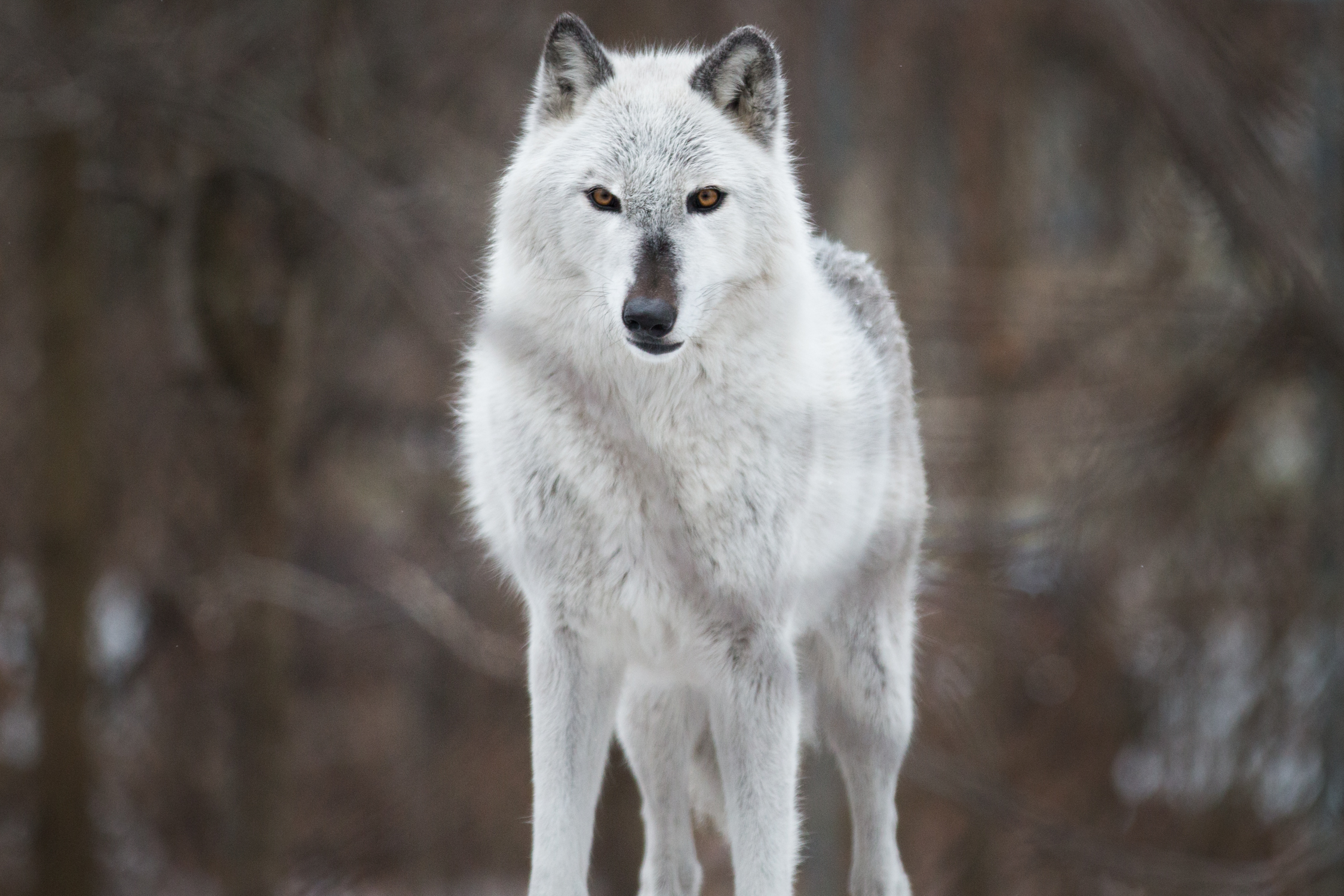
A female gray wolf observes her exhibit when the two males she shares it with sleep. Wolves live and hunt in packs, allowing them to take on larger prey, and they have very large feet with some webbing between the toes, which helps them run on snowy surfaces. 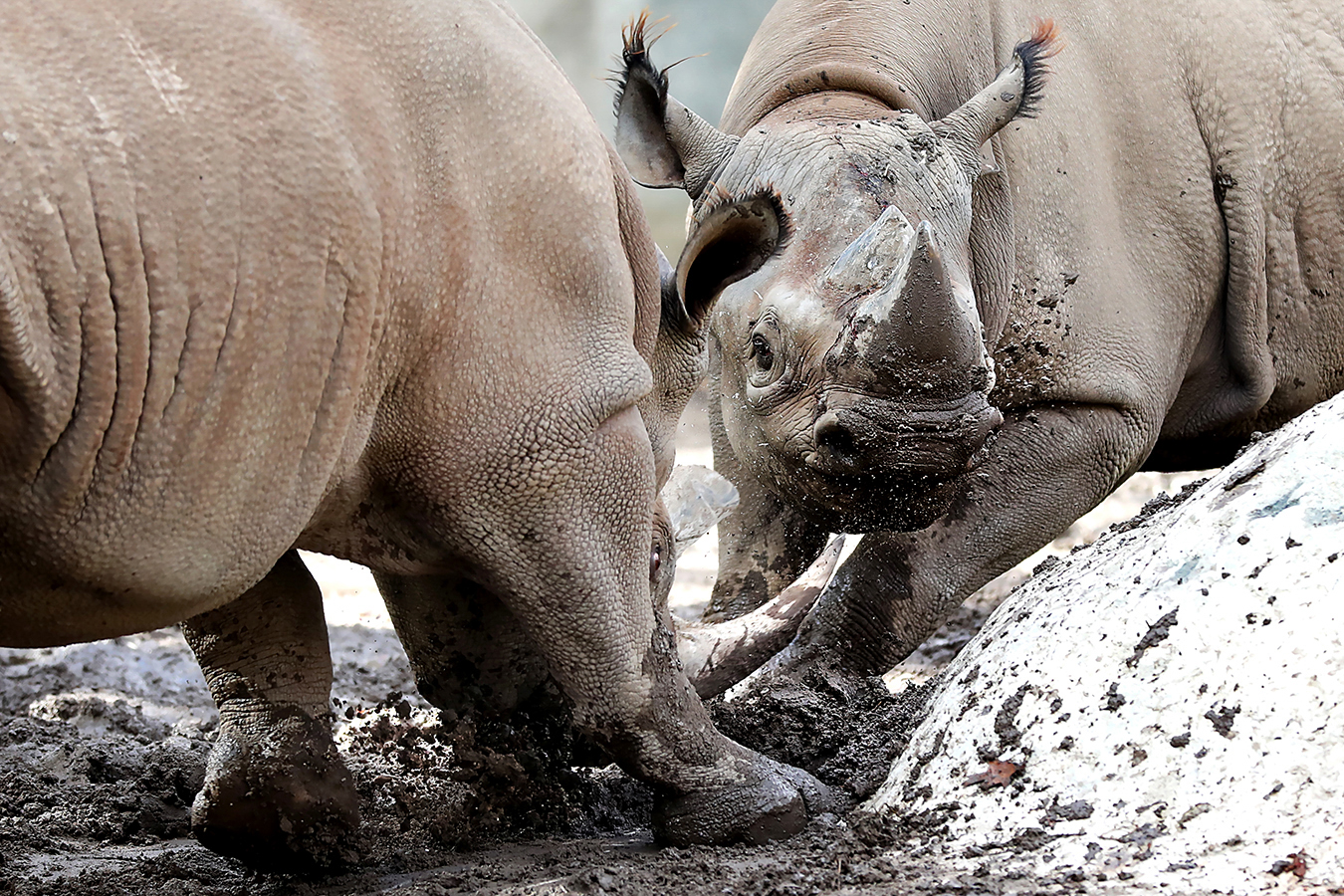
The zoo’s resident black rhinos, Doppsee and Phineus, were introduced on Oct. 30, 2017 for the first time in the hope that they breed. In the wilds of Africa, black rhino are a solitary species that only come together to mate. Female rhinos become receptive to breeding only once a month, so when the male and female initially meet there is a lot of aggression. The male has to convince the female that he is a worthy choice as a mate. He does this through posturing, foot dragging, urine spraying, sparring, and chasing. While it may seem a little rough to us, rhinos are built for such encounters. Their thick hide and heavy skull help protect them during these necessary pre-breeding displays. 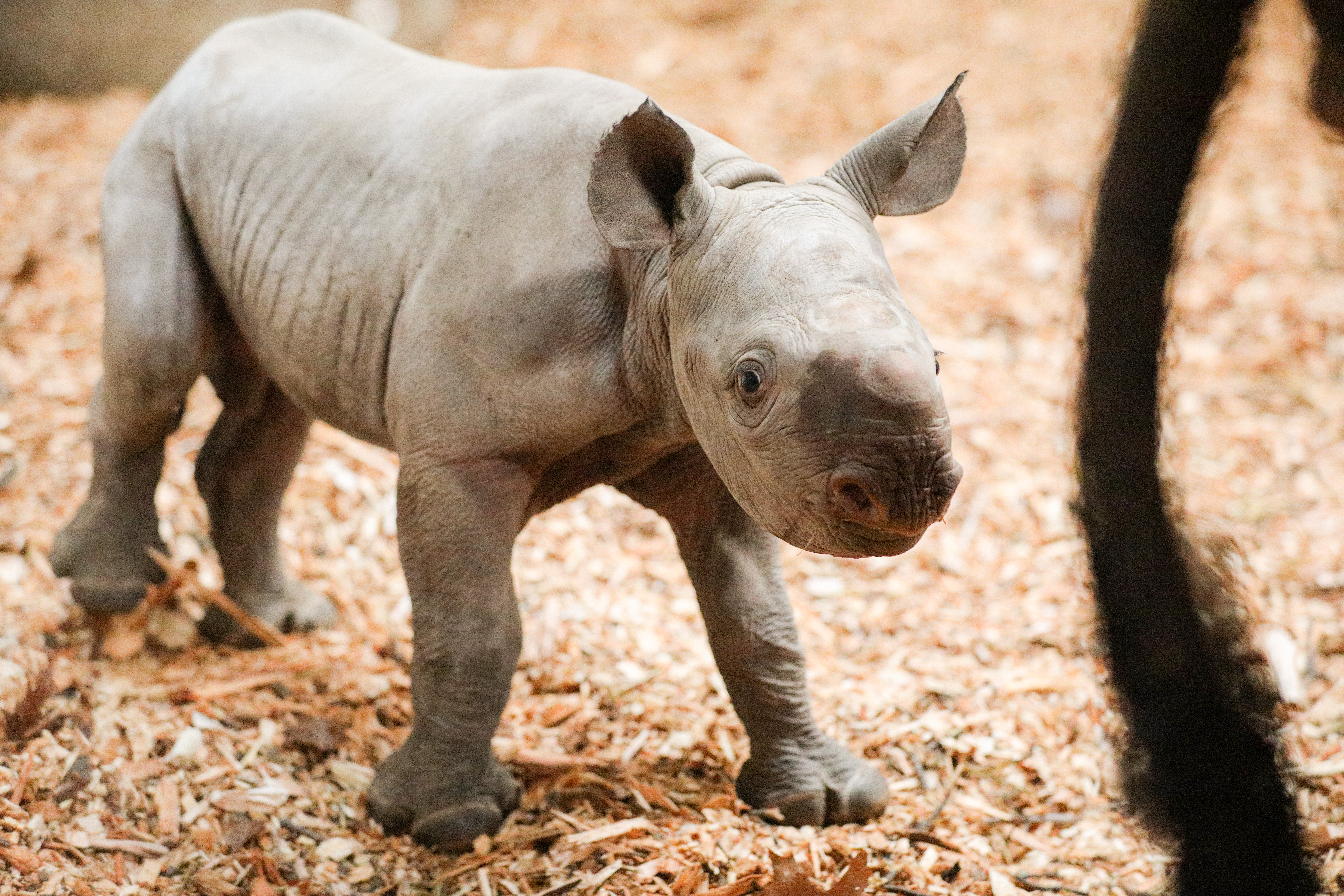
The zoo’s resident black rhinos, Doppsee and Phineus, were introduced on Oct. 30, 2017 for the first time in the hope that they breed. In the wilds of Africa, black rhino are a solitary species that only come together to mate. Female rhinos become receptive to breeding only once a month, so when the male and female initially meet there is a lot of aggression. The male has to convince the female that he is a worthy choice as a mate. He does this through posturing, foot dragging, urine spraying, sparring, and chasing. While it may seem a little rough to us, rhinos are built for such encounters. Their thick hide and heavy skull help protect them during these necessary pre-breeding displays. 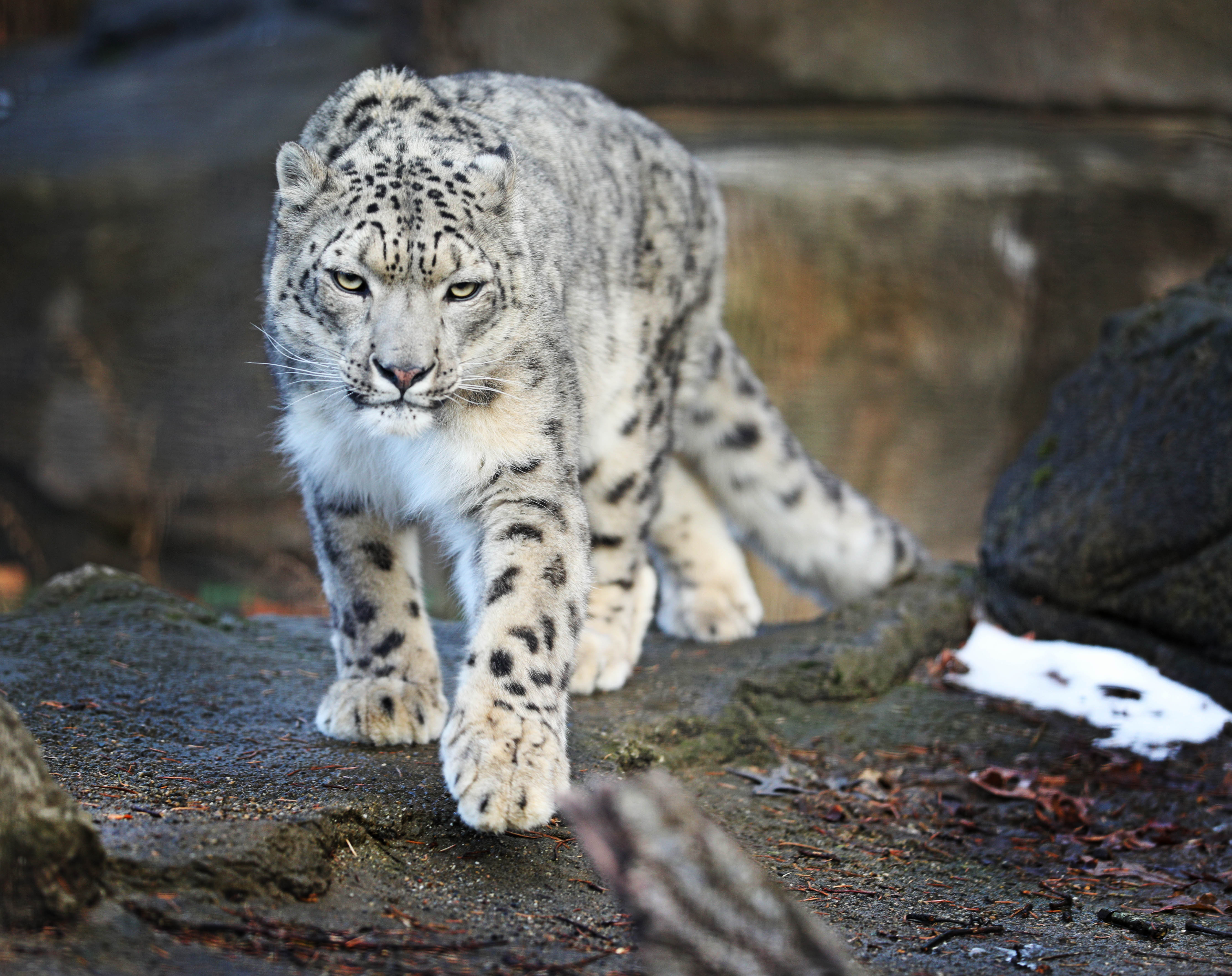
Snow Leopard | Potter Park Zoo 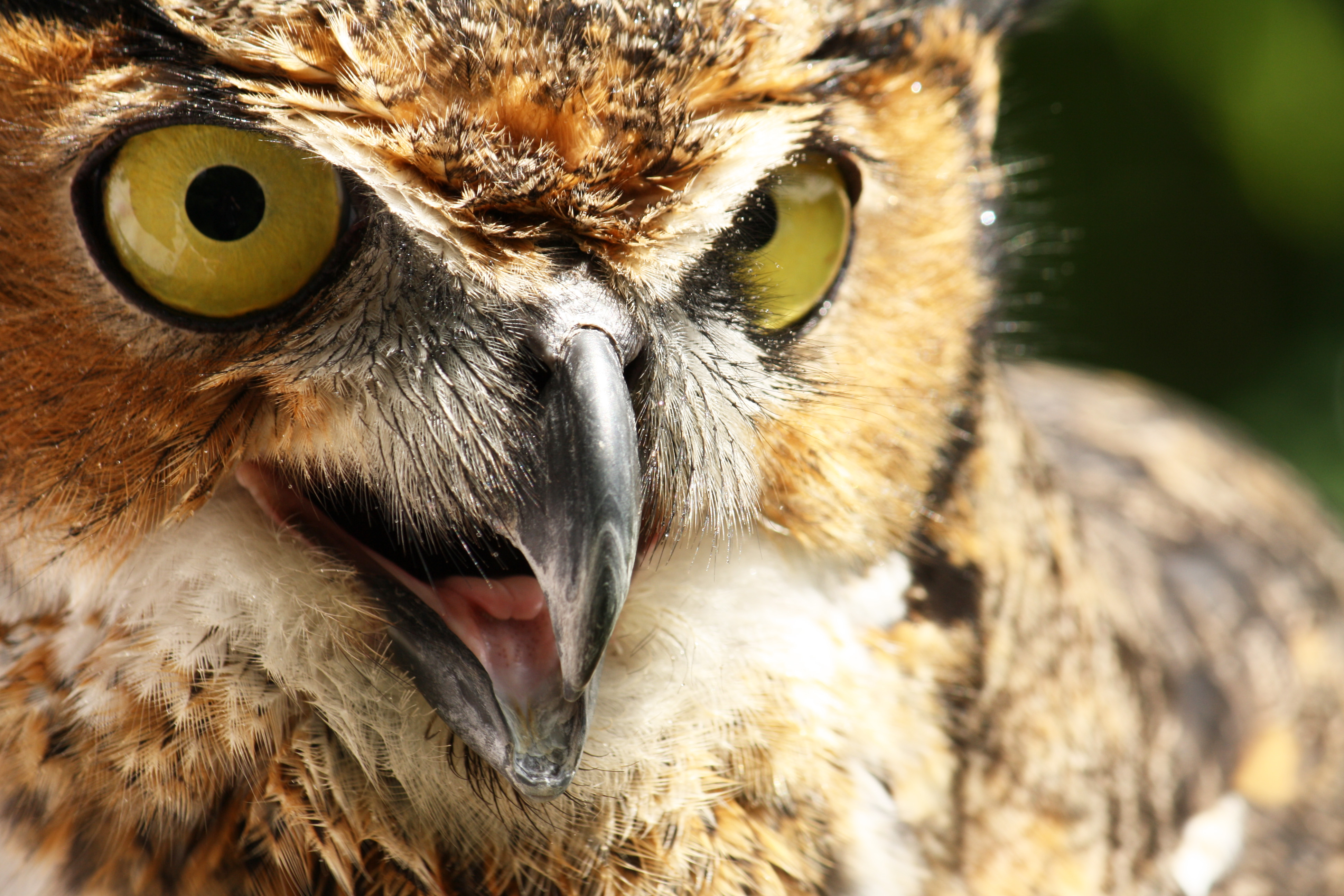
A Great Horned Owl, under the care of Rebecca Lessard, acts as an educational ambassador for his species at the Wings of Wonder Raptor Sanctuary in Empire, Michigan on Sunday, June 16, 2013. 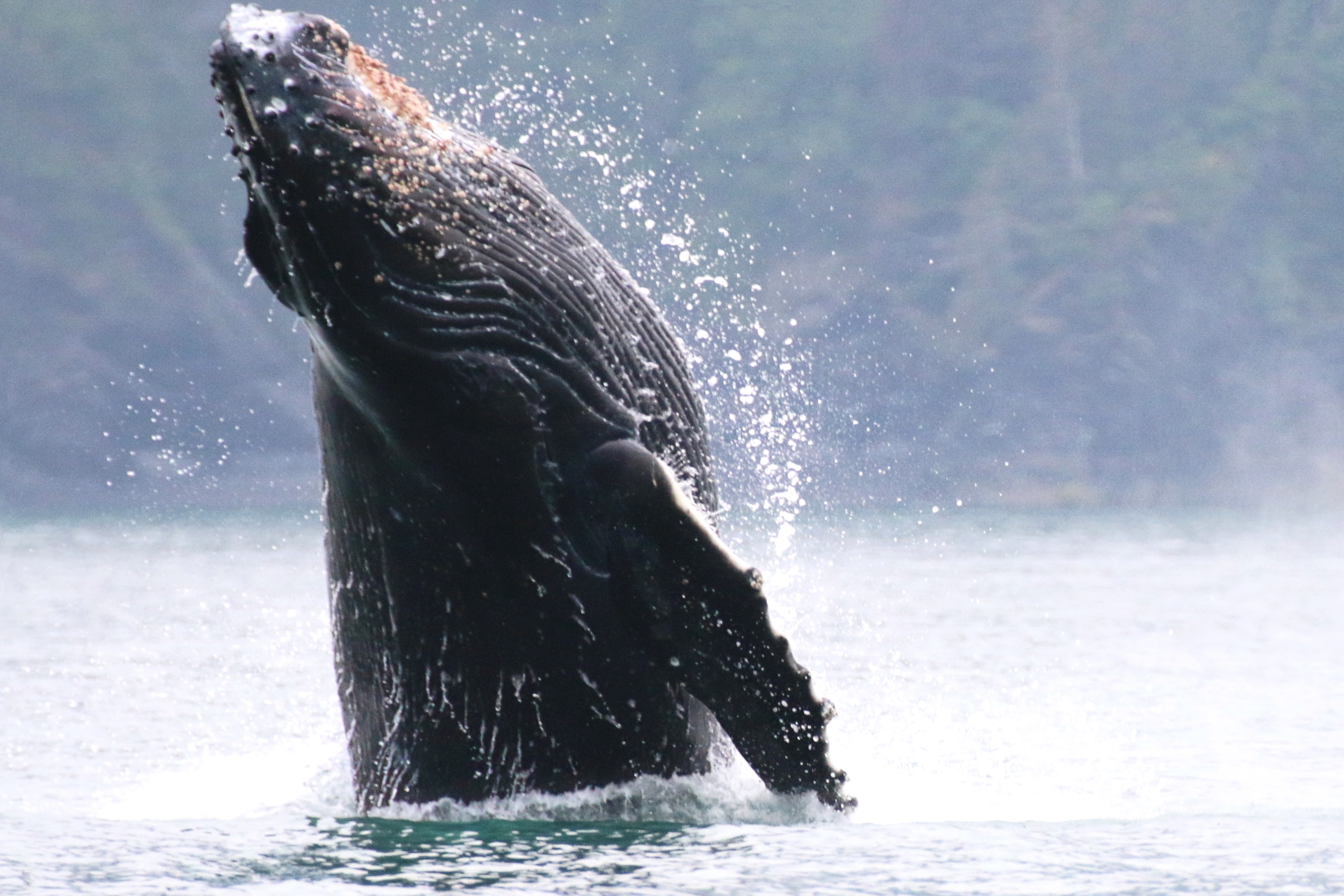
A humpback whale breaches out of the water in Resurrection Bay on June 18, 2015. Humpback whales spend their summer feeding in the rich Alaskan waters before migrating back to Hawaii to breed and give birth. 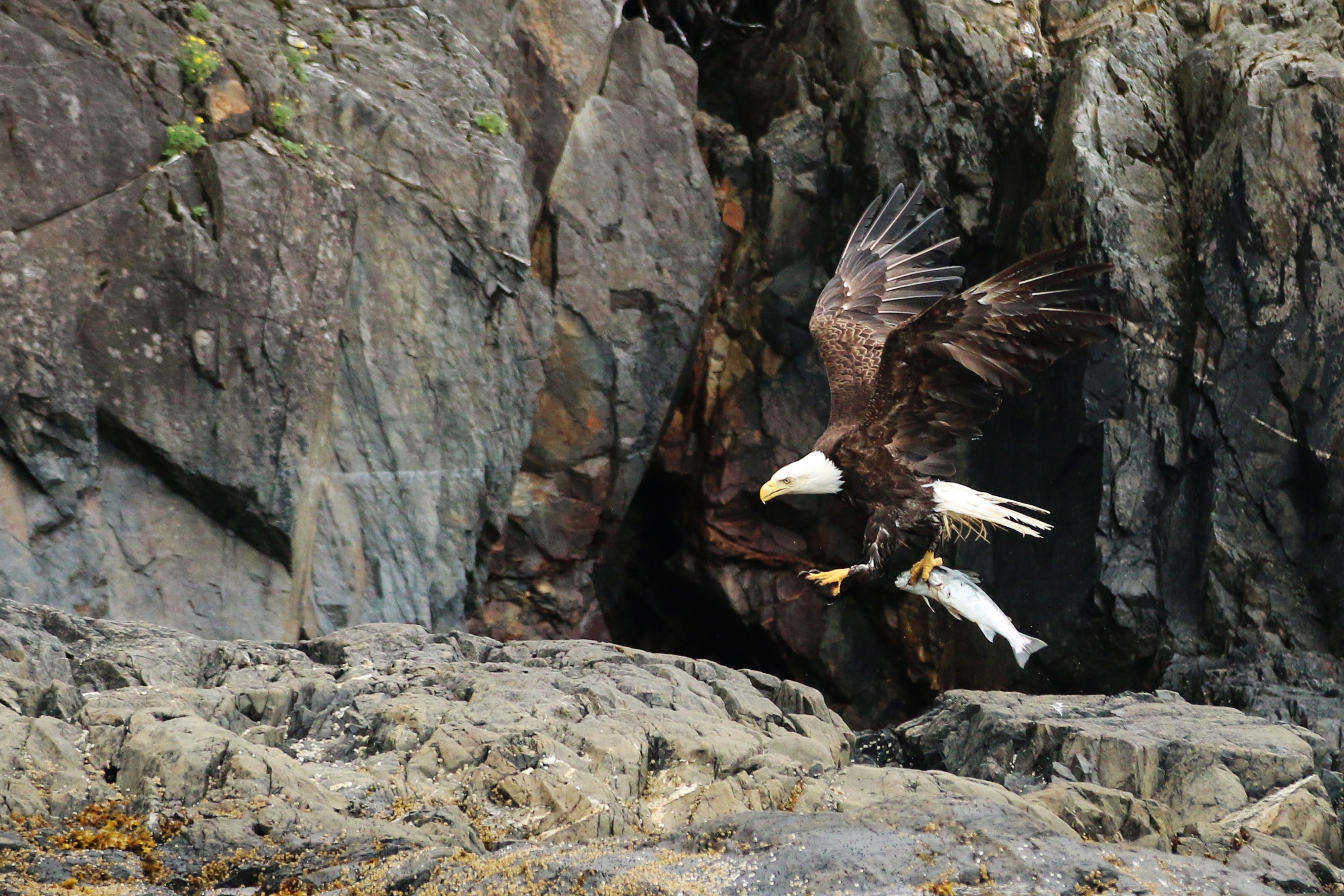
A Bald eagle transports it’s silver salmon kill in Aialik Bay, Kenai Fjords National Park on Saturday, June 20, 2015. 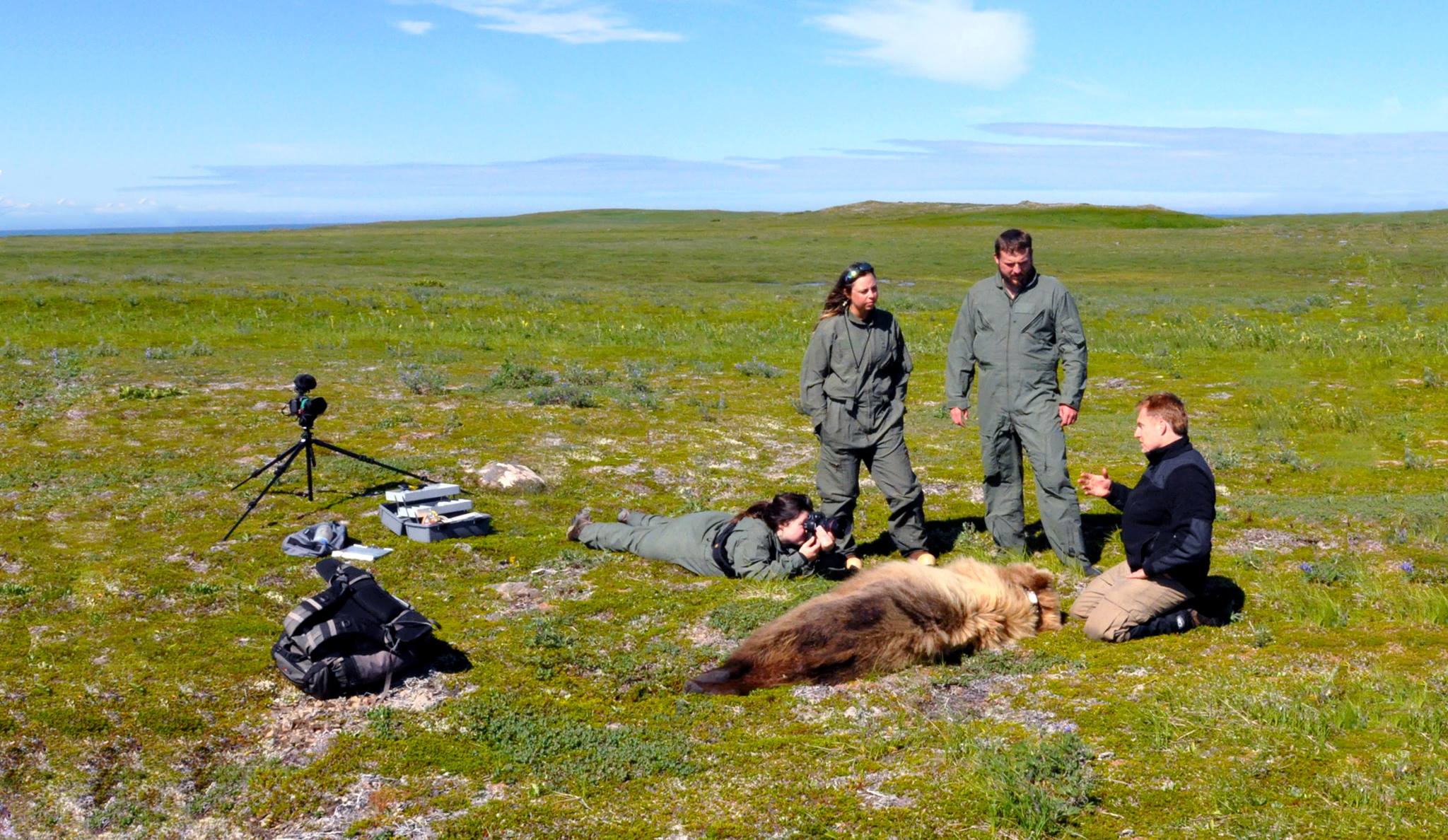
Filming with the NPS team in Katmai National Park. 2025 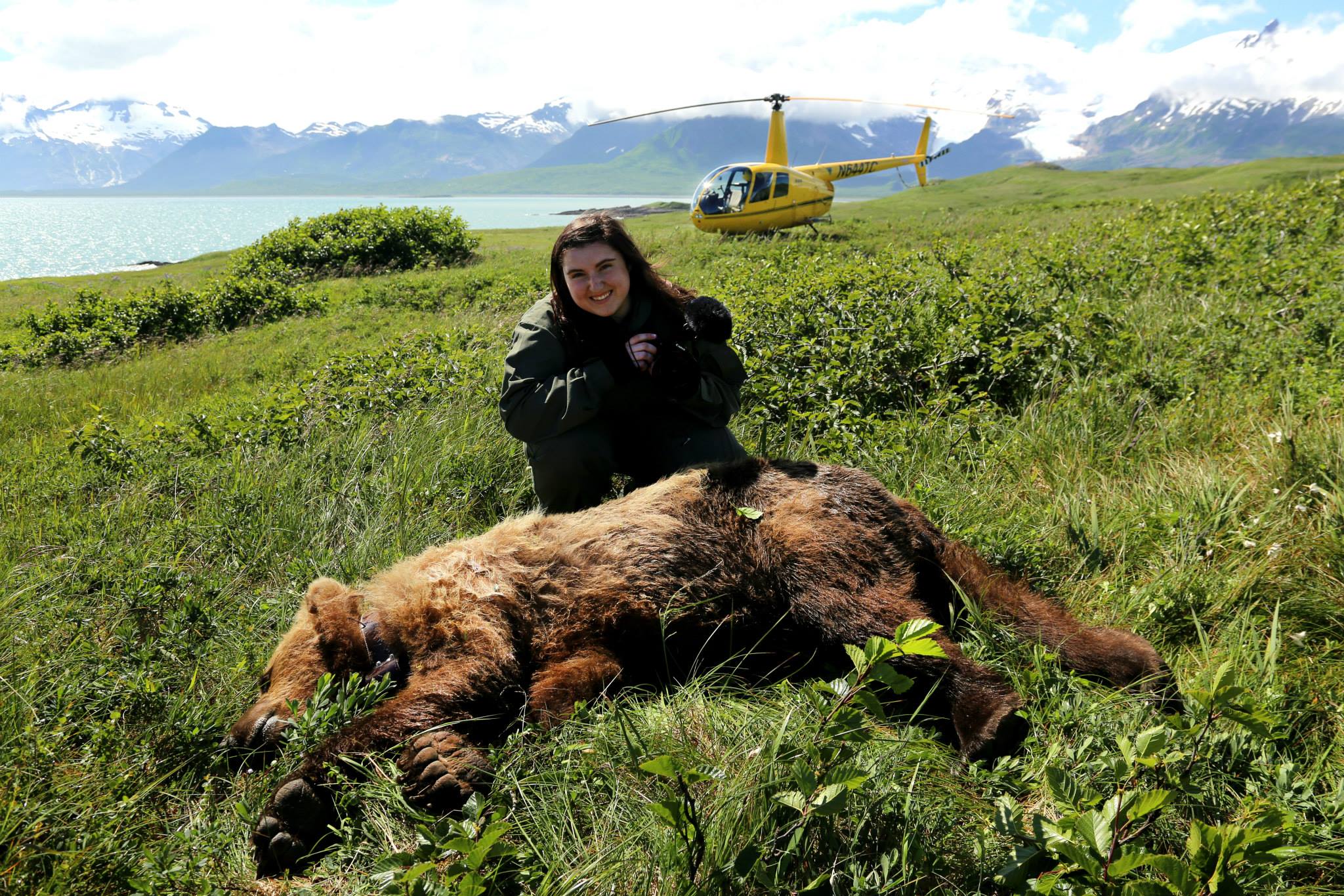
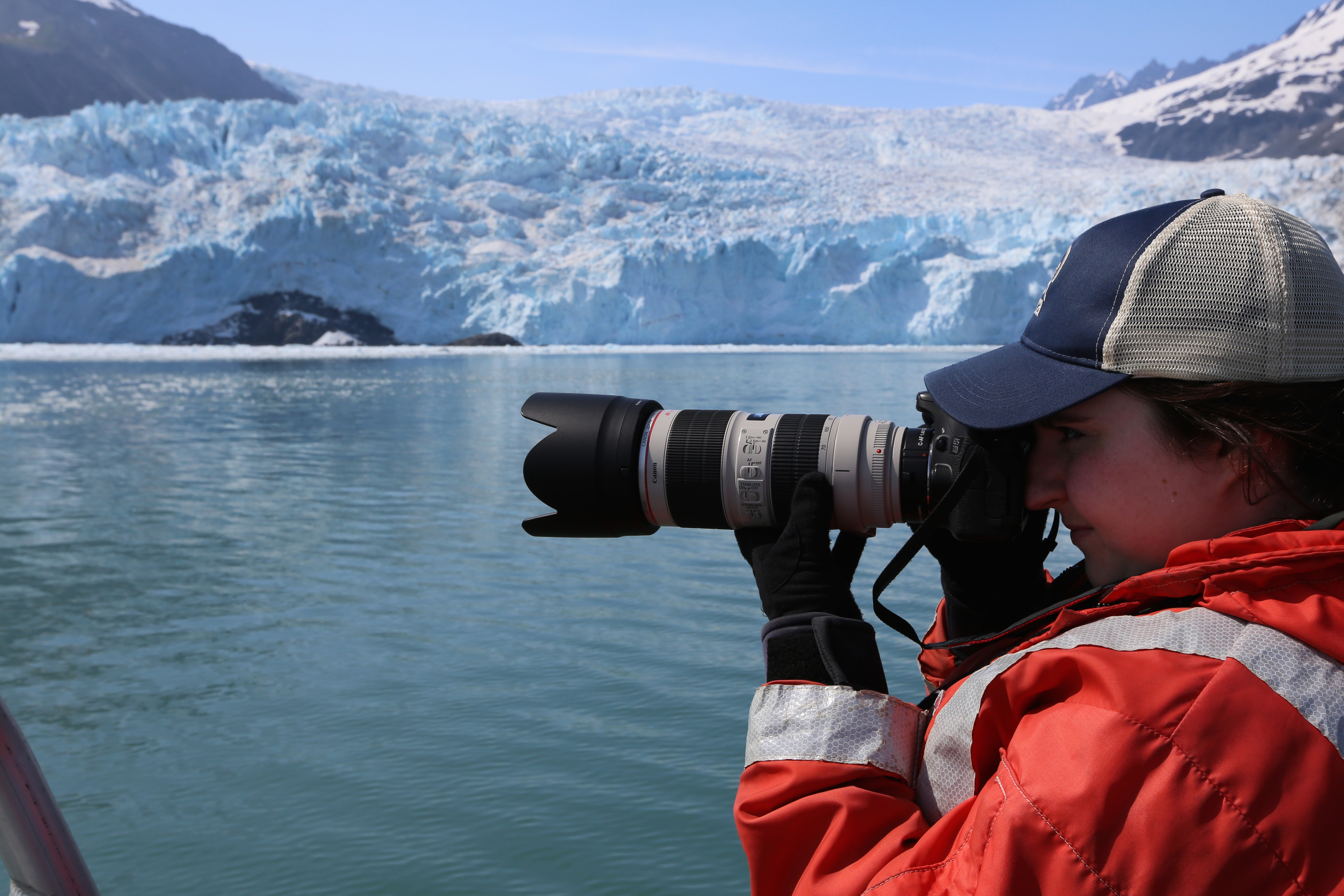
Watching Harbor Seals in front of Aialik Galcier on Thursday, June 18, 2015. Photo I Jim Pfeiffenberger

